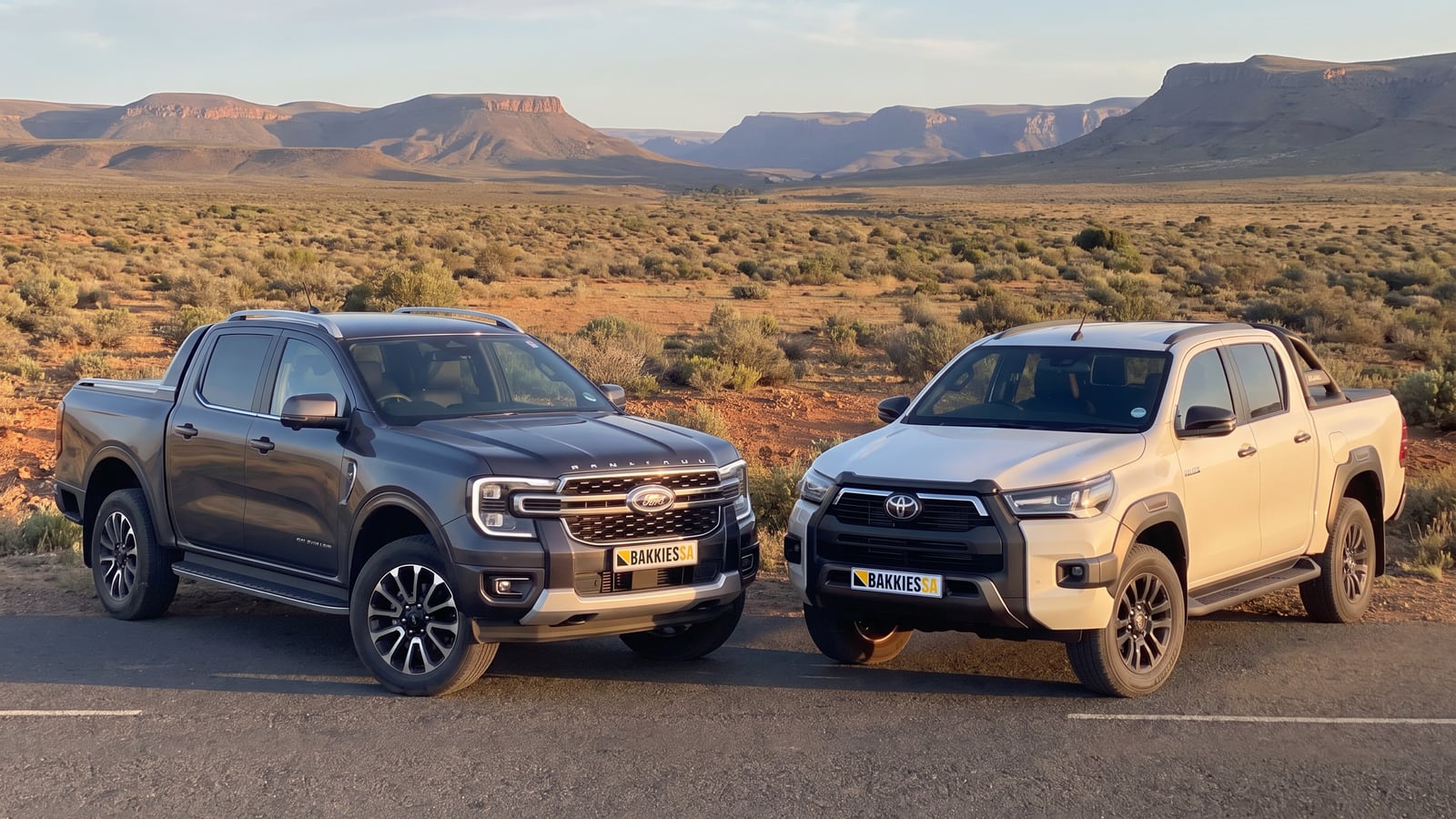
Every argument about bakkies in this country ends the same way. The Toyota man says resale. The Ford man says drive one. Then both of them look at the used prices, and the numbers say something neither wants to hear.
More South Africans buy a used Ranger than a used Hilux. Not because the Ranger is better, but because so many of them come back from fleets. The Ranger is the company bakkie of South Africa, and companies sell their bakkies by the thousand. That is why a 2018 Ranger XLT asks about R160,000 less than a 2018 Hilux Raider.
That is the whole used-Ranger market in one sentence: a lot of choice, good prices, and most of them have worked for a living. This guide is about how to buy one without buying someone else’s problems.
Prices throughout are asking prices from September 2026, taken from every Ranger listed for sale across South Africa. They are what sellers are asking, not what bakkies sell for. The current numbers are on the Ranger listings page and the Ranger market page.
What a used Ranger costs
Right now there are about 7,300 Rangers for sale in South Africa. Around 2,400 of those are brand-new bakkies or dealer demos with a few thousand kilometres on the clock, which are not really used bakkies at all. Take them out and you are choosing from about 4,900. The typical one is a 2021 with about 118,000 km asking around R350,000.
Most buyers want a double cab. Here is what a used Ranger double cab asks, year by year, with the mileage you can expect:
| Year | Asks about | Typical km | What you are looking at |
|---|---|---|---|
| 2014 | R190,000 | 198,000 | Old shape, first face. Mostly 2.2s and 3.2s that have worked hard |
| 2015 | R190,000 | 190,000 | Last of the first face. Fleet bakkies |
| 2016 | R220,000 | 185,000 | First facelift. Still mostly ex-fleet 2.2s |
| 2017 | R235,000 | 155,000 | The 3.2s from here on are the ones owners defend |
| 2018 | R250,000 | 150,000 | Last year before the 2.0 engines. Best value in the range |
| 2019 | R300,000 | 140,000 | Second facelift. 2.0 single and bi-turbo arrive |
| 2020 | R350,000 | 130,000 | Thunder, FX4 special editions |
| 2021 | R380,000 | 120,000 | The most common used Ranger |
| 2022 | R400,000 | 100,000 | Last of the old shape |
| 2023 | R520,000 | 85,000 | New shape. The price jumps here |
| 2024 | R590,000 | 60,000 | New shape, mostly still under warranty |
Notice the jump between 2022 and 2023. Every other year is R20,000 to R50,000 apart. That one is about R125,000. The reason is simple: 2023 is when the new-shape Ranger arrived, and a 2022 and a 2023 are priced like two different bakkies, because they are. Part of the jump is that the new one cost more when it was new: Ford put prices up by 5 to 12 percent at the changeover. The rest is that buyers want the new shape.
That jump also tells you where the value is. There are about 1,900 Rangers for sale under R300,000, and nearly 1,200 of them are double cabs. Under R300,000 there are twelve Hilux double cabs in the whole country. If you want a modern double cab for under R300,000, you are buying an old-shape Ranger, and this guide is mostly about how to buy one well.
Two things the prices tell you that you might not expect. The 3.2 barely costs more than the 2.2: both ask around R250,000 as a group, and year for year the bigger engine only carries R40,000 to R80,000 more. And mileage matters more on a Ranger than on a Hilux. A 2021 with under 100,000 km asks around R425,000; the same year with over 200,000 km asks around R270,000. That is R155,000 for kilometres alone, about double what the same spread costs on a Hilux, so a low-mileage Ranger is worth paying for.
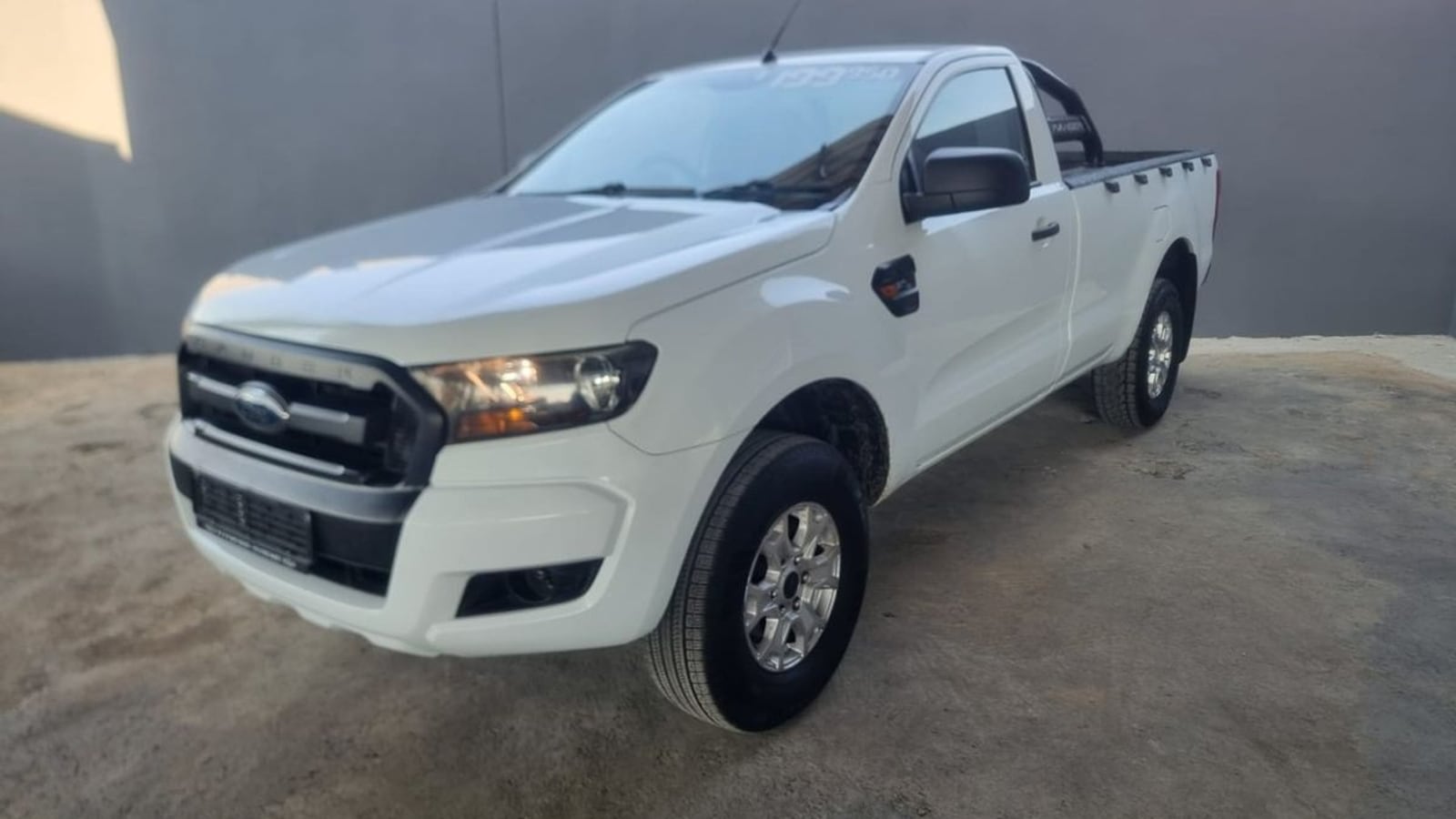
Reading a Ranger advert
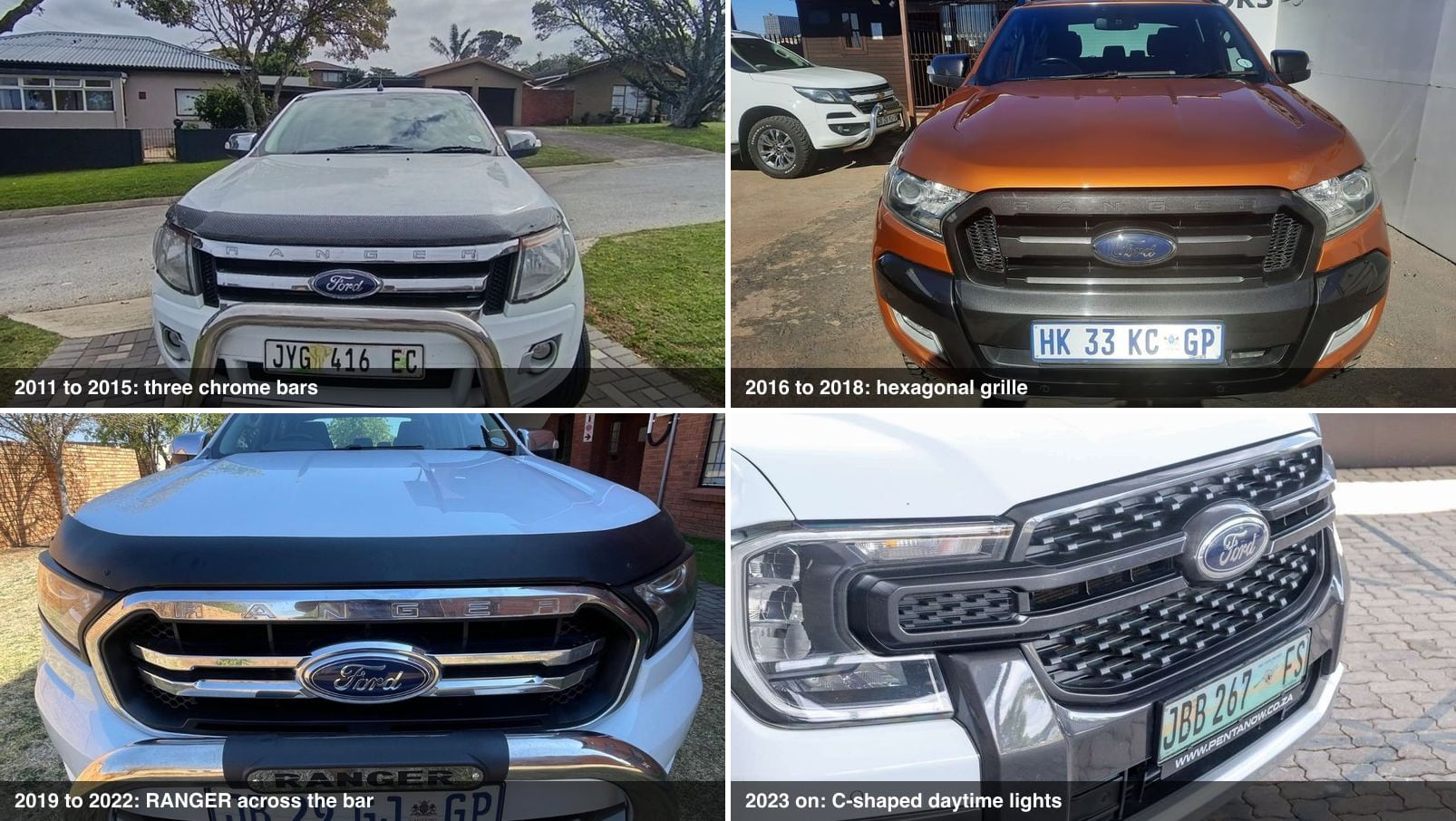
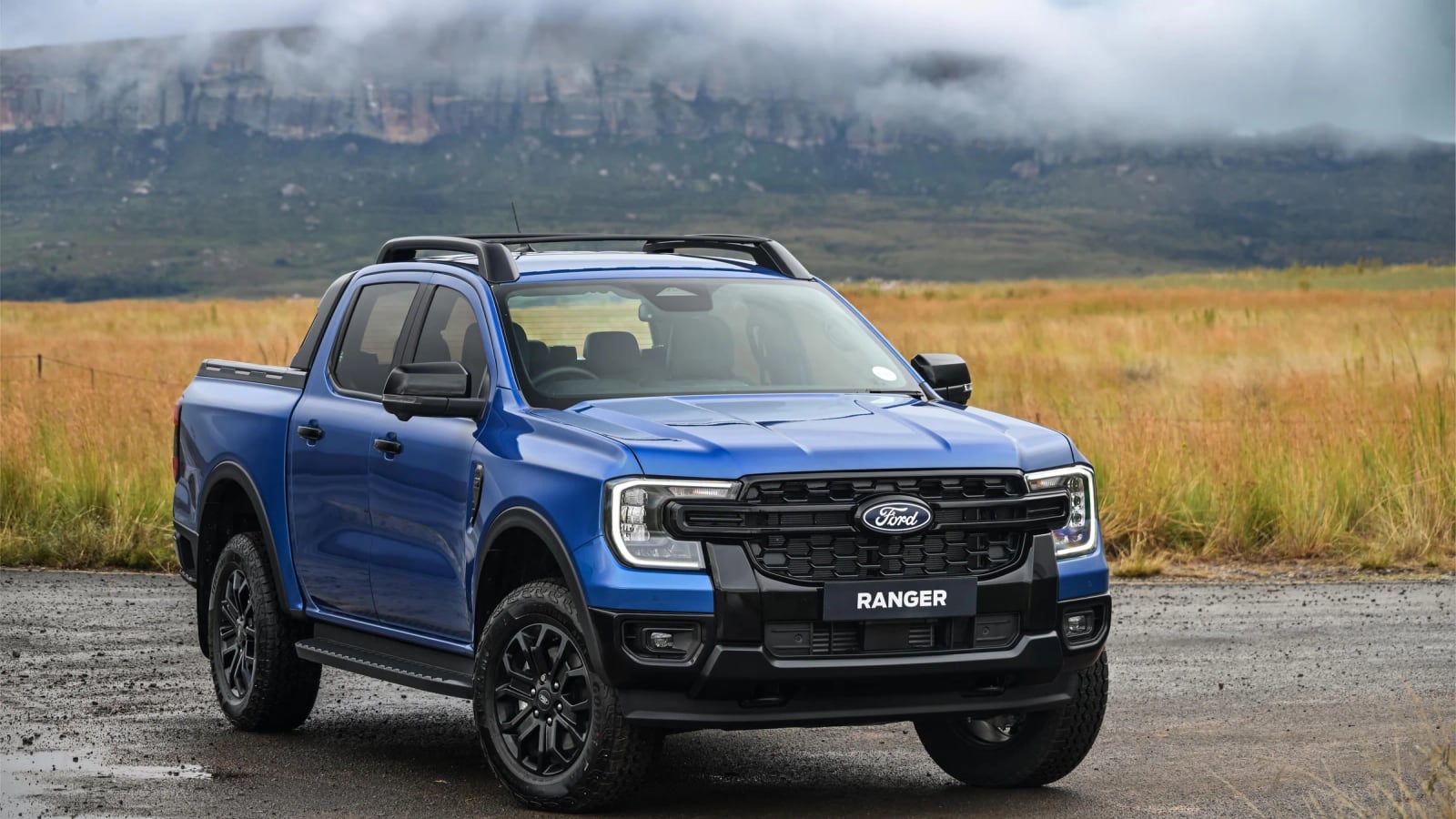
Which Ranger is it? There are two that matter. The old shape was sold from 2011 to 2022 and got a new face in 2016 and again in 2019. The new shape has been on sale since the end of 2022. Do not trust the year in the advert to tell you which one you are looking at. When the new Ranger arrived, dealers still had old-shape stock to sell, and some of those were only registered in 2023. So an advert can say “2023” and the bakkie can still be the old one, worth old-bakkie money. Look at the photo. The new Ranger has those big C-shaped headlights.
Which engine is it? Ford sold the old-shape Ranger with four diesels: a 2.2, a 3.2, and from 2019 two versions of a 2.0, a single-turbo and a bi-turbo. The 2.2 and 3.2 are easy to spot, the badge is on the front wing. The 2.0 is where people get caught. A lot of dealers just write “2.0D” in the advert and leave it at that. The bi-turbo is worth about R50,000 more than the single-turbo, and most of the ones with no badge in the advert turn out to be the cheaper single-turbo. Before you pay bi-turbo money, look for the Bi-Turbo badge on the tailgate, or check the VIN.
Which spec is it? From cheapest to dearest: XL is the fleet bakkie, and a third of all Rangers for sale. Then XLS, then XLT, which is what most private buyers end up with. Wildtrak is the lifestyle one, Raptor is the fast one, and Wildtrak X, Tremor and Platinum are newer, pricier versions of the new shape. Thunder, Stormtrak and FX4 were special editions of the old shape, sold in its last couple of years. All are bi-turbos, and they ask a little more than a plain Wildtrak of the same age. One more thing: “Hi-Rider” or “HR” means a two-wheel drive on the taller 4x4 suspension. It is not a 4x4. Half the adverts don’t say either way, so ask.
The old ones: 2000 to 2011
Before the Ranger everybody knows, there were two others. The first Ranger (2000 to 2006) was a Mazda Drifter with a Ford badge and a 2.5 turbodiesel. Old-school mechanics love it. One on the forums says it is the only bakkie he would take into Africa with a piece of wire and a pair of pliers. There are only a handful for sale, at around R130,000.
The 2007 to 2011 Ranger was the twin of the Mazda BT-50. It came with a 2.5 or a 3.0 turbodiesel, and the 3.0 has a reputation for shaking (the Afrikaans forums call it the “drie-liter vibrator”). Most of them have been chipped. The known problems are injector seals, which make the engine chuff on a cold start, and a gearbox and diff that tend to go before the engine does. About 30 for sale at around R130,000, with the 3.0 4x4 double cabs still asking up to R200,000.
The 2.2: the fleet engine
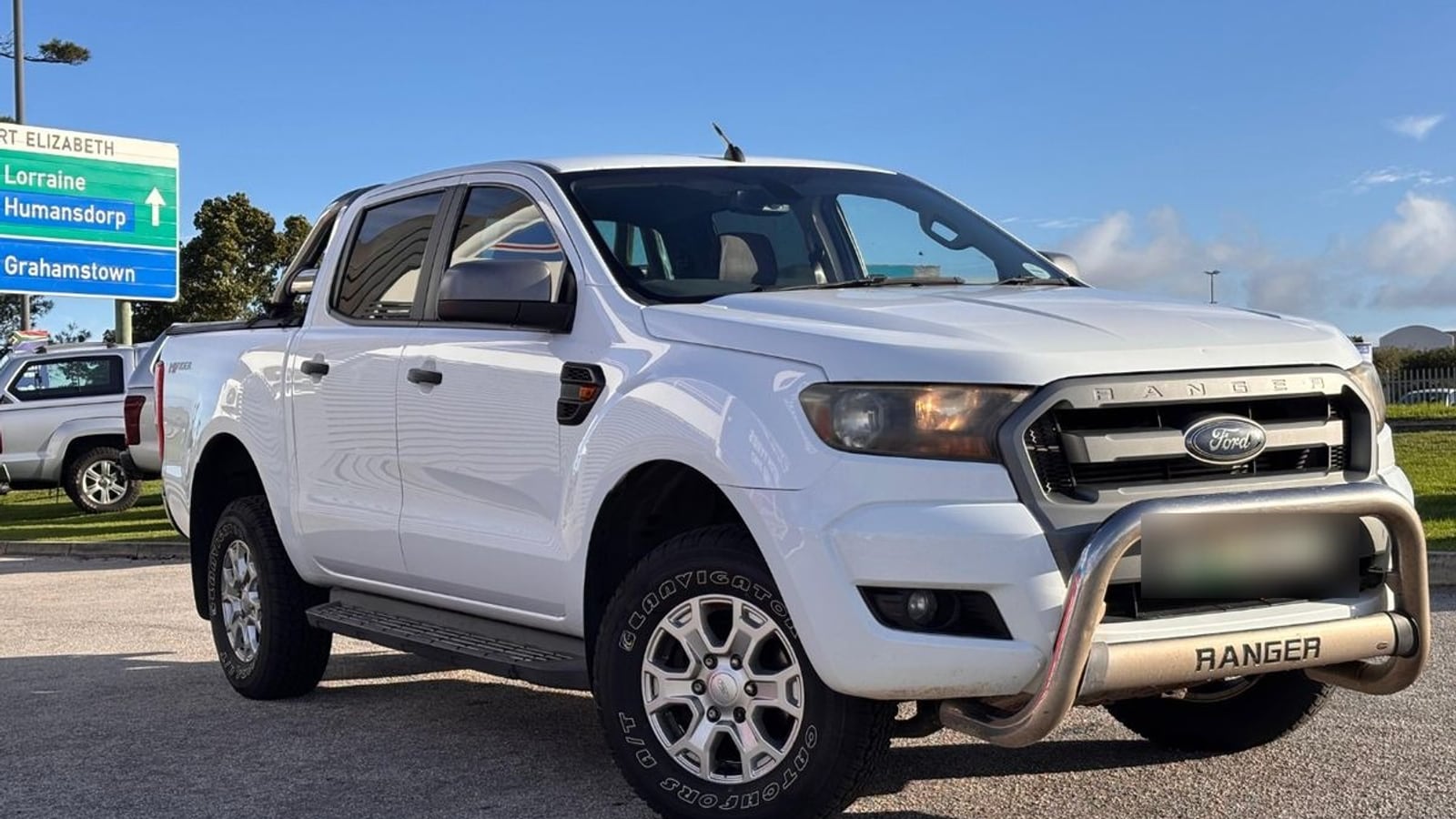
The 2.2 is the engine in most of the Rangers for sale, because it is the one the fleets bought. It makes 110 kW (118 kW from 2016) and uses about 8 to 10 litres per 100 km. Owners have taken them past 400,000 km on the original clutch and turbo. It was the most bought used bakkie derivative in the country in 2019 and 2020.
What goes wrong is what goes wrong on any engine that was serviced by the cheapest quote:
- Injectors. The classic 2.2 problem. The bakkie loses power and starts drinking, but there is no warning light and no smoke. At 200,000 km, budget for injectors and a turbo.
- Turbo. Expect to replace it at least once in the bakkie’s life; fleet owners report more.
- EGR cooler. Around R11,000 to replace, and Ford dealers call it a known problem. Many 2.2s have had it blanked off instead, which fixes it and voids the goodwill. Ask which.
- Timing chain. A chain, not a belt, which is good, but they do stretch and a few have snapped past 150,000 km. Have it checked at that mileage.
- The six-speed automatic. The same gearbox as the 3.2, with the same control-module problem (more on that below). It must be filled with Mercon LV fluid; the wrong fluid makes it shudder.
- Rust. Check the roof on 2014 to 2016 bakkies.
The 2.2’s price stops dropping once the bakkie passes 250,000 km. A 2.2 with 250,000 km asks about the same as one with 320,000 km, around R180,000. That sounds like a bargain until you add up what is coming: injectors, a turbo, a chain inspection and a gearbox module.
The one to buy is an XL or XLS under 150,000 km, with the full service history printed out by a Ford dealer, at R250,000 to R290,000. It is the lowest-risk used Ranger there is: chain, not belt; six-speed, not ten-speed; thousands to choose from.
The 3.2: the one Ford people defend
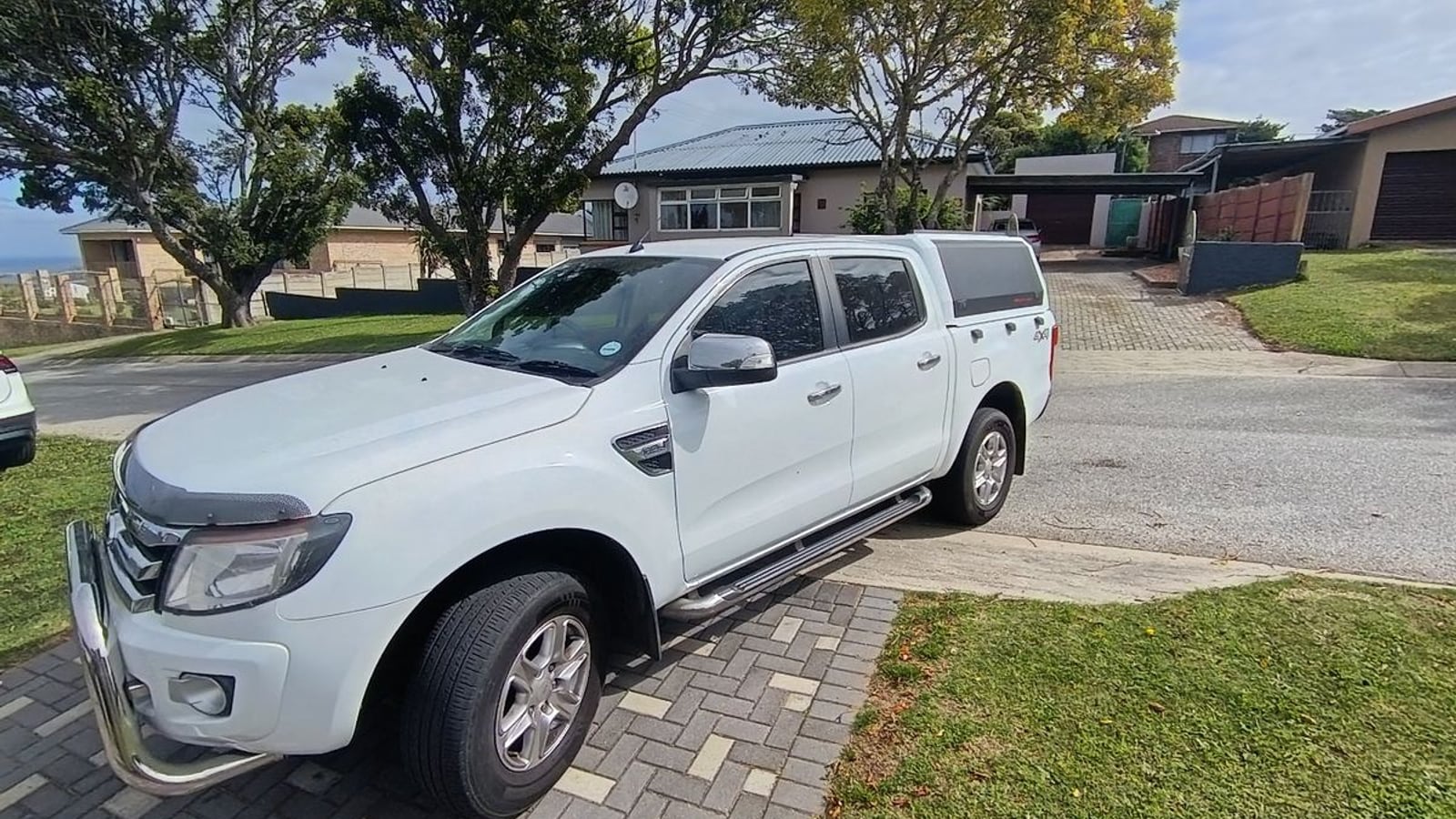
The 3.2 is to Ford people what the 3.0 D-4D is to Toyota people. Five cylinders, 147 kW, 470 Nm, built at Ford’s engine plant in Gqeberha, and a sound the four-cylinders don’t have. When it came out in 2012, CAR magazine said it gave the Hilux a walloping. People who have moved from a 3.2 to the newer 2.0 bi-turbo say the 2.0 is quicker but has none of the character.
The early bakkies had teething problems (turbo pipes chafing, gearbox cooler lines cracking, rust under the seats), but those were confined to 2012 and early 2013. The 2015-onwards bakkies are the ones owners stand behind. Even so, every used 3.2 is bought on one question: have the coolers been done?
- The two coolers. The EGR cooler and the oil cooler both carry coolant, and both can crack on the inside. The signs are white steam from the exhaust, coolant that keeps needing topping up with no leak to be found, and a milky sludge under the oil filler cap. Replacing them costs R8,000 to R18,000. Miss it and the head gasket goes. Then you hit the problem that defines this engine in South Africa: Ford won’t skim the head. They will only sell you a whole engine. Owners have been quoted R110,000 for a 2013 and R220,000 for a 2017. An independent will skim the head for a few thousand. Many 3.2s have had the EGR blanked off for R2,500 to R7,700, which removes the risk and the dealer’s goodwill. Ask which.
- The six-speed automatic. The gearbox control module has a connector that fails at around 100,000 km. The symptoms are hard, jerky shifts and the engine revving before reverse engages. About R22,000 to fix, with fluid and filter. It must be Mercon LV fluid, so ask who did the last service.
- Turbo and injectors. Turbo between 180,000 and 280,000 km (R15,000 to R35,000). Injectors after 200,000 km (R15,000 to R30,000 a set).
One thing the prices show that you would not expect: the tired 3.2 asking silly money is mostly a myth. Almost nobody is asking over R300,000 for a 3.2 with 200,000 km on it. Most of the ones for sale have between 100,000 and 200,000 km and ask R250,000 to R290,000, with all of the above still to come. Add the repairs and a R260,000 2017 is a R300,000 to R330,000 bakkie by the time it is sorted. Price it that way.
The 2.0 single-turbo and bi-turbo: ten gears and a belt
In 2019 Ford added two new 2.0 engines to the old-shape Ranger: a single-turbo (132 kW) and a bi-turbo (157 kW, 500 Nm), both with a new ten-speed automatic. The 2.2 and 3.2 carried on underneath them until 2022. The single-turbo is the cheap one to run: the cheapest parts of any double cab in the 2020 Kinsey Report, and about 8 litres per 100 km.
Then there is the belt, which has been the Ranger conversation of the last two years. The 2.0 engines run their timing belt inside the engine oil, where the 2.2 and 3.2 have a chain. The worry is not that the belt snaps. It is that over time it sheds bits of rubber that block the oil pickup, and then the engine starves.
Ford dealers charge R10,000 to R18,000 to replace it. Different dealers quote different intervals, anything from 100,000 to 160,000 km, so ask for the schedule for your specific bakkie. Most 2019 to 2021 bi-turbos are past 100,000 km now. If there is no invoice for a belt, take R10,000 to R18,000 off the price. That is not negotiable.
In 2026 Ford dropped the bi-turbo altogether and gave the single-turbo a chain instead of a belt. The forums said the quiet part out loud: good luck selling your wet-belt Ranger when the chain version costs not much more.
The ten-speed gearbox is the other half of the story. In July 2026 the National Consumer Commission issued a recall for 2017 to 2020 Rangers and Everests with this gearbox, sold between mid-2018 and early 2020. A pump gear inside can fail, and the bakkie loses drive while it is moving. The fix is a free software update. But it only helps a gearbox that has not failed yet. If yours has, Ford has quoted close to R200,000 for a replacement; Mayfair Gearbox in Johannesburg will rebuild one for about R50,000.
A 2019 to 2022 bi-turbo asks from about R380,000 to R450,000, usually with 95,000 to 130,000 km. Buy one only with the belt invoice, the recall on the dealer’s printout, and R20,000 kept back.
The new shape, 2023 onwards
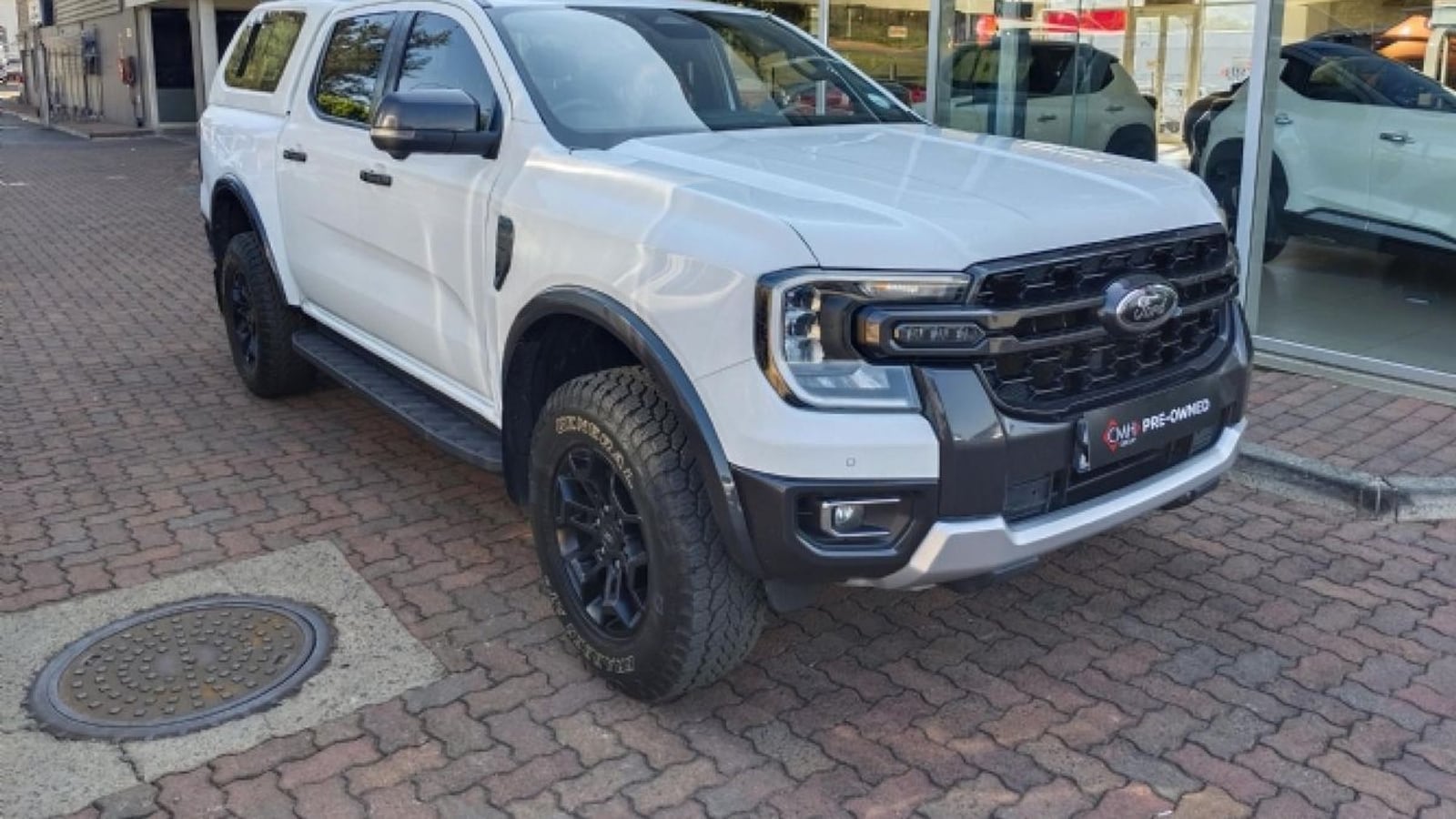
The new Ranger is built at Silverton in Pretoria and comes with a four-year or 120,000 km warranty, which transfers to the next owner. But be careful with the service plan: since late 2021 it has been an optional extra, and plenty of bakkies were sold without one. Don’t ask whether the plan transfers. Ask whether there is one.
The bi-turbo carries over (154 kW, 500 Nm), with the same wet belt and ten-speed, and CAR called it the best drivetrain in the range. The 3.0 V6 diesel has 184 kW, 600 Nm and permanent four-wheel drive. CAR called it the best towing vehicle in South Africa. It uses 9 to 11 litres per 100 km in local tests.
The new Ranger’s first year was known for electronic glitches. The recalls since then tell you what to check on a used one:
- A touchscreen that freezes to black and takes the reversing camera with it. This one hit more than 17,000 South African Rangers.
- Loss of brake assistance on 2025 and 2026 Wildtraks, Tremors and Platinums.
- A camshaft sprocket on the V6 diesel that can fracture and stall the engine.
- A curtain airbag on 2026 double cabs that fires the pillar trim into the cabin.
All of these are fixed free. What matters is whether the bakkie in front of you has had the fix, so get the dealer to print the recall history for the VIN before you pay.
Used, the new shape asks around R575,000 with about 57,000 km. A bi-turbo XLT asks around R560,000, a bi-turbo Wildtrak around R640,000, a V6 Wildtrak around R760,000 and a V6 Platinum around R850,000. The V6 costs R100,000 to R130,000 more than a bi-turbo of the same year. For 2026 Ford changed the range again. The bi-turbo is gone, the single-turbo now has a chain and the ten-speed, and there is a new 2.3 petrol turbo in a Sport trim.
The Raptor
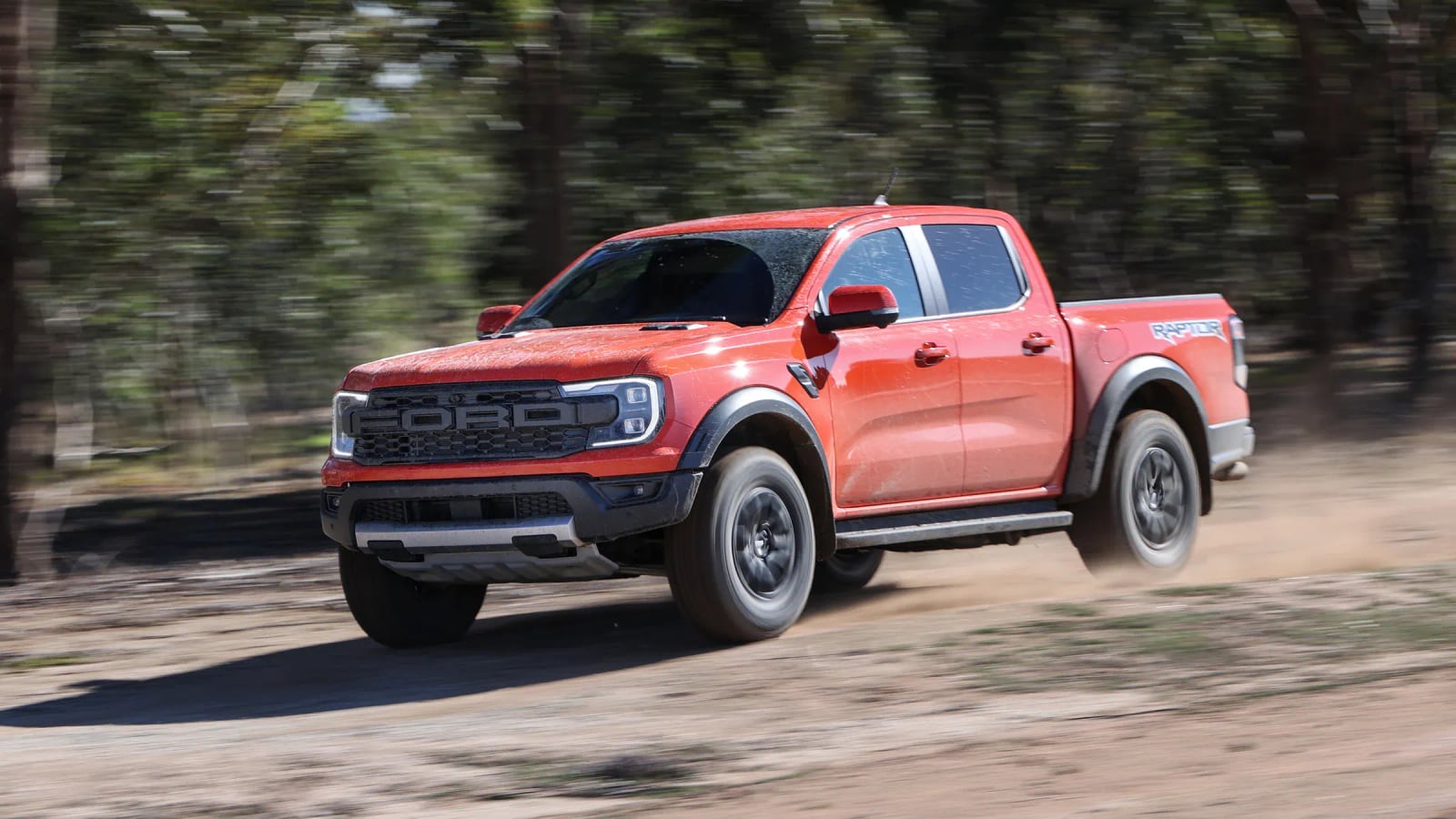
Every motoring writer in the country describes the Raptor buyer the same way. Someone who wants a fast car and a bakkie in one, and doesn’t need to carry more than 600 kg. It is a Pretoria East and Umhlanga bakkie with a Kalahari excuse.
The old-shape Raptor (2019 to 2022) is a bi-turbo with Fox suspension, and it is now the cheap Raptor. A 2019 asks around R490,000. One 2022 in Mpumalanga with 233,000 km is asking R362,000, a Raptor that has actually done Raptor things. Everything in the bi-turbo section applies, the belt first.
The new Raptor is a 3.0 twin-turbo petrol V6 with 292 kW. It does 0 to 100 in under seven seconds. It uses 11 to 12 litres per 100 km if you drive it like a diesel, and over 20 if you don’t. It tows 2,500 kg and carries 670 kg. The new price has gone from R1.09 million in 2023 to R1.3 million now, which is holding used prices up: around R1.1 million, or about R930,000 for a 2025 or older. Insurance is over R4,000 a month.
The Hilux question
Take a Ranger and a Hilux from the same year. Both double cab 4x4 automatics, both with the bigger diesel: a 3.2 or 2.0 bi-turbo in the Ranger, the 2.8 in the Hilux. This is what the Hilux costs extra:
| Year | Ranger asks | Hilux asks | Hilux costs |
|---|---|---|---|
| 2024 (both new shape) | R700,000 | R730,000 | R30,000 more |
| 2022 (last old-shape Ranger) | R455,000 | R690,000 | R235,000 more |
| 2020 | R400,000 | R550,000 | R150,000 more |
| 2018 | R325,000 | R470,000 | R145,000 more |
| 2016 | R257,000 | R440,000 | R180,000 more |
On the old-shape Ranger, the Hilux costs R115,000 to R235,000 more for the same year. On the new shape, the gap has mostly closed. That is the “Toyota tax” in one table: very real on the old bakkies, nearly gone on the new. And the old story that a Ranger loses value faster is out of date. On AutoTrader’s July 2026 numbers, a three-year-old Hilux 2.8 Legend holds 72 to 74 percent of its new price. A three-year-old Ranger bi-turbo XLT holds 70 to 73.
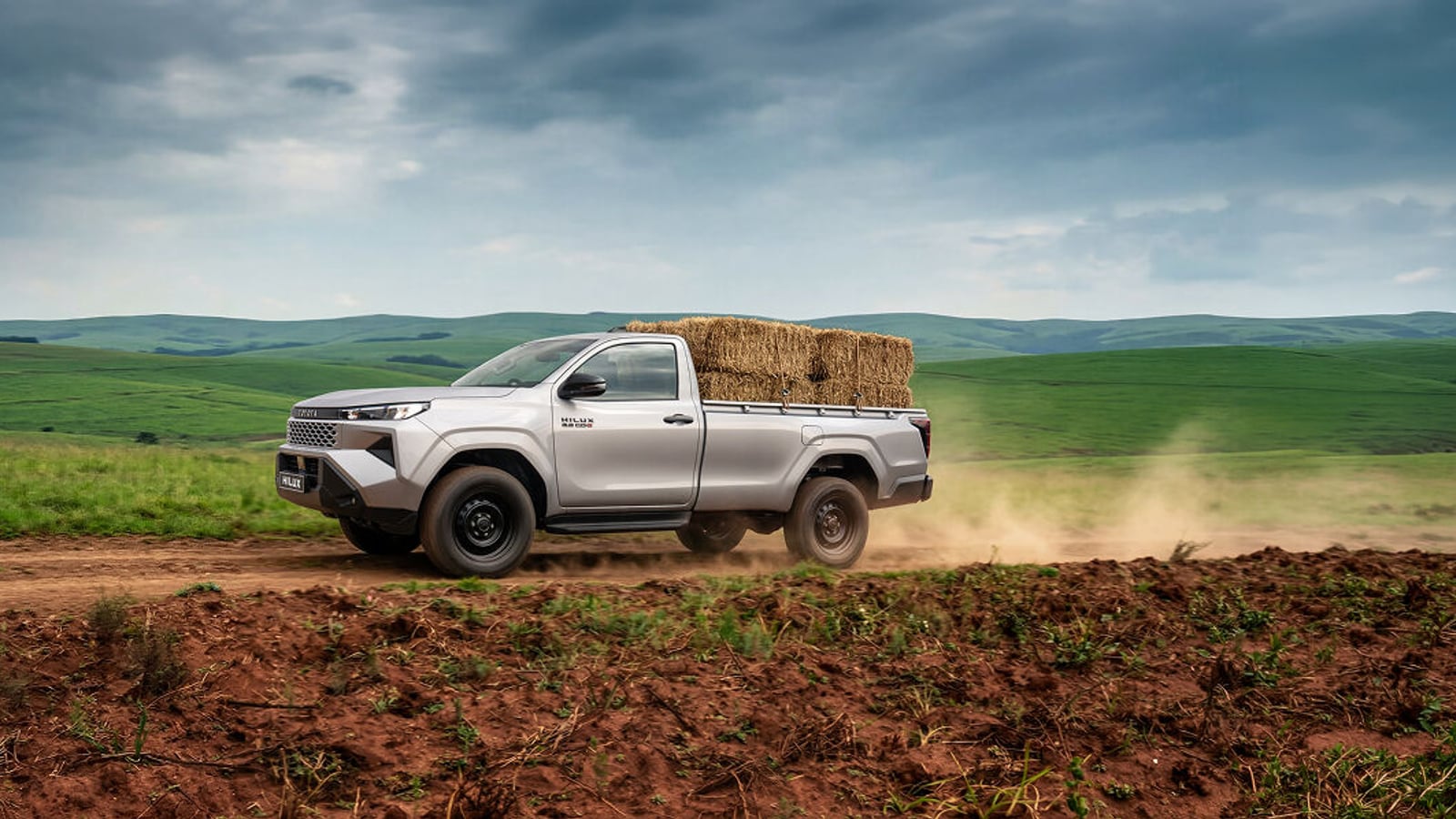
What the Hilux money buys you: a timing chain instead of a wet belt, a six-speed instead of a ten-speed under recall, and a bakkie you can sell privately in an afternoon. What it does not buy you: a longer warranty (Toyota gives three years, Ford four), cheaper insurance, a better ride, or a nicer cabin.
The real objection to buying a Ranger in this country is not the bakkie. It is Ford’s dealers. The stories go back a decade: a gearbox claim refused because a service was late, a buyback that came in R21,000 short of what the owner still owed. Toyota people will tell you there are simply too many of those stories. Ranger people will tell you the bakkie is good and the dealer is the risk, and that finding an independent mechanic you trust is part of the deal.
Buying and insuring one
Theft. The Ranger is the third most hijacked vehicle in South Africa, after the Hilux and the Polo Vivo, and recovered Rangers are regularly found on their way to Mozambique. A figure for the number stolen last year does the rounds online but nobody can say where it came from, so it is not repeated here.
Insurance. Typical premiums: about R1,100 a month for a 2.2 double cab, R1,800 for a 2.0 XLT automatic, R2,200 for a bi-turbo Wildtrak and R4,100 for a V6 Raptor. Insurers will not give you theft cover without an approved tracker on a paid-up subscription (R85 to R110 a month), and some now want two.
Cloned bakkies. More than 20,000 stolen, unrecovered vehicles a year come back onto the market wearing another vehicle’s VIN plate and forged papers. Before you pay: check that the VIN plate, the chassis stamping, the windscreen sticker and the engine number all match the registration document. A police clearance is free. And never pay cash to someone who cannot prove they own the bakkie.
Clocked odometers. It pays best on the 2.2, because the price stops falling at 250,000 km: wind 100,000 km off an XL and it is suddenly worth R30,000 to R70,000 more. The defence is the Ford dealer’s service printout for the VIN, which shows the mileage at every visit. Stamps in a book are not a service history.
Recalls. Check the VIN at ford.co.za/owner/recalls or phone 0860 011 022, and get the dealer’s printout before you pay. The ones that matter:
| When | Which Rangers | The problem |
|---|---|---|
| Jul 2025 | V6 diesel Wildtrak and Platinum, 2022 to 2025 (571 bakkies) | Camshaft sprocket can fracture and stall the engine |
| Aug 2025 | Any new-shape Ranger, 2021 to 2025 (17,693 bakkies) | Touchscreen freezes to black and the reversing camera goes with it |
| Sep 2025 | 2025 and 2026 Wildtrak, Tremor and Platinum (5,387) | Loss of brake assistance |
| Jul 2026 | Old-shape 2.0s with the ten-speed, sold mid-2018 to Feb 2020 | Gearbox pump gear can fail and the bakkie loses drive while moving |
| Aug 2026 | 2026 double cabs sold May to June 2026 (2,275) | Curtain airbag fires the pillar trim into the cabin |
All of these are fixed free. The point is to know whether the bakkie in front of you has had the fix.
Before you pay for any Ranger:
- A fault-code scan.
- A cold start with the bonnet up.
- The Ford service printout for the VIN.
- On a 3.2, look under the oil filler cap and ask for the cooler invoice.
- On a 2.0, ask for the belt invoice.
- The recall printout.
- On a 4x4, test low range and the diff lock.
- The ownership papers above.
Every Ranger engine, for decoding adverts
| Engine | Years | Power | Torque | What to know |
|---|---|---|---|---|
| 3.0 TDCi | 2007 to 2011 | 114 kW | 379 Nm | The “drie-liter vibrator”. Injector seals |
| 2.2 TDCi | 2011 to 2022 | 110 kW, 118 kW from 2016 | 375 to 385 Nm | The fleet engine. Chain. Six-speed |
| 3.2 TDCi | 2011 to 2022 | 147 kW | 470 Nm | Five cylinders. Coolers. Chain. Six-speed |
| 2.0 single-turbo | 2019 to 2022 | 132 kW | 420 Nm | XLT volume engine. Wet belt. Ten-speed |
| 2.0 bi-turbo | 2019 to 2022 | 157 kW | 500 Nm | Wildtrak, Raptor, Thunder, Stormtrak. Wet belt. Ten-speed, recall |
| 2.0 single-turbo | 2023 on | 125 kW | 405 Nm | New shape XL and XLT. Wet belt until 2026, then a chain |
| 2.0 bi-turbo | 2023 to 2025 | 154 kW | 500 Nm | New shape XLT, Wildtrak, Tremor. Dropped for 2026 |
| 3.0 V6 diesel | 2023 on | 184 kW | 600 Nm | Wildtrak, Platinum, Sport, Tremor. Permanent 4WD. Sprocket recall |
| 3.0 V6 petrol | 2023 on | 292 kW | 583 Nm | Raptor only |
| 2.3 petrol turbo | 2026 on | 222 kW | 452 Nm | Sport and Wildtrak. Too new to judge |
Which one to buy
If the bakkie has to work and you want the smallest bill: a 2.2 XL or XLS under 150,000 km, with the Ford service printout, at R250,000 to R290,000. Chain, no belt, no ten-speed, and thousands to choose from.
If you want the engine: a 2015 or newer 3.2 with the cooler invoice, priced for its mileage. Keep R30,000 to R50,000 back for the gearbox module and the turbo. It costs the same as a 2.2, it has 470 Nm and five cylinders, and its problems are older, better understood and cheaper to fix than the bi-turbo’s.
If you want the ten-speed and the Wildtrak: a 2019 to 2022 bi-turbo, but only with the belt invoice and the recall printout. Or a 2023 or newer bi-turbo or V6 at Hilux money, for the cabin, the warranty and resale that now holds up.
Whichever you choose, get a tracker and check the papers. Then look at the Ranger listings, where every bakkie is shown next to the going rate for its year. You will know before you phone whether the price is high or low.
Questions people ask
What are the most common problems with the Ford Ranger 3.2?
The two coolers. The EGR cooler and the oil cooler can both leak coolant into the engine, and replacing them costs R8,000 to R18,000 in South Africa. If it is caught late the head gasket goes and Ford will only quote you a whole new engine, which has cost owners anything from R110,000 to R220,000. After that: the six-speed automatic's control module fails at around 100,000 km (about R22,000 to fix), the turbo goes somewhere between 180,000 and 280,000 km (R15,000 to R35,000), and injectors after 200,000 km (R15,000 to R30,000 a set). The early build problems were only on 2012 and early 2013 bakkies.
Is the Ford Ranger 2.2 TDCi reliable?
Yes, if it was looked after, and most of them were fleet bakkies that were not. A 2.2 with a full service record and under 150,000 km is the safest used Ranger you can buy: it has a timing chain, not a belt, and the old six-speed gearbox, not the ten-speed. The things that go wrong are injectors (the bakkie loses power and drinks more, with no warning light), the turbo, and the EGR cooler. Budget for injectors and a turbo at 200,000 km.
Does the Ford Ranger 2.0 Bi-Turbo have a wet belt?
Yes. The 2.0 engines (single-turbo and bi-turbo, 2019 onwards) run their timing belt inside the engine oil. The 2.2 and 3.2 use a chain. Ford dealers charge R10,000 to R18,000 to replace the belt, and different dealers quote different intervals (100,000 km, 120,000 km or 160,000 km), so ask for the schedule for your specific bakkie. Most 2019 to 2021 bi-turbos are past 100,000 km now, so if there is no invoice for the belt, take R10,000 to R18,000 off the price. The ten-speed gearbox in these bakkies is also under a recall from July 2026.
What is a fair price for a used Ranger in South Africa?
For a normal used one (not a new or demo bakkie), the typical Ranger for sale is a 2021 with about 118,000 km asking around R350,000. For a double cab, by year: a 2016 asks about R220,000, a 2018 about R250,000, a 2020 about R350,000 and a 2022 about R400,000. Then it jumps: a 2023 asks about R520,000, because that is when the new-shape Ranger arrived. Mileage matters a lot: a 2021 with under 100,000 km asks around R425,000, and the same year with over 200,000 km asks around R270,000. These are asking prices; trade-in prices sit about 20 percent lower.
Is a used Ranger cheaper than a Hilux?
For the old-shape Ranger, by a lot. Compare a Ranger and a Hilux from the same year, both double cab 4x4 automatics, and the Hilux asks R115,000 to R235,000 more for anything from 2016 to 2022. For the new-shape Ranger (2023 onwards) the gap shrinks to R30,000 to R110,000. After three years the two lose value at almost the same rate now, so the old idea that a Ranger is a bad investment no longer holds for the new one.
Is a Ford Ranger expensive to insure in South Africa?
Less than a Hilux, more than most cars. The Ranger is the third most hijacked vehicle in the country (after the Hilux and the Polo Vivo), and stolen ones are often headed for Mozambique. Typical premiums run from about R1,100 a month for a 2.2 double cab to R1,800 for a 2.0 XLT, R2,200 for a Bi-Turbo Wildtrak and over R4,000 for a Raptor. You will need an approved tracker with a paid-up subscription to get theft cover, and some insurers now want two.
Figures are seller asking prices aggregated from South African listing platforms and dealers, not final selling prices. Most vehicles transact below asking. Updated continuously.
rangerbuying-guidecommon-problems