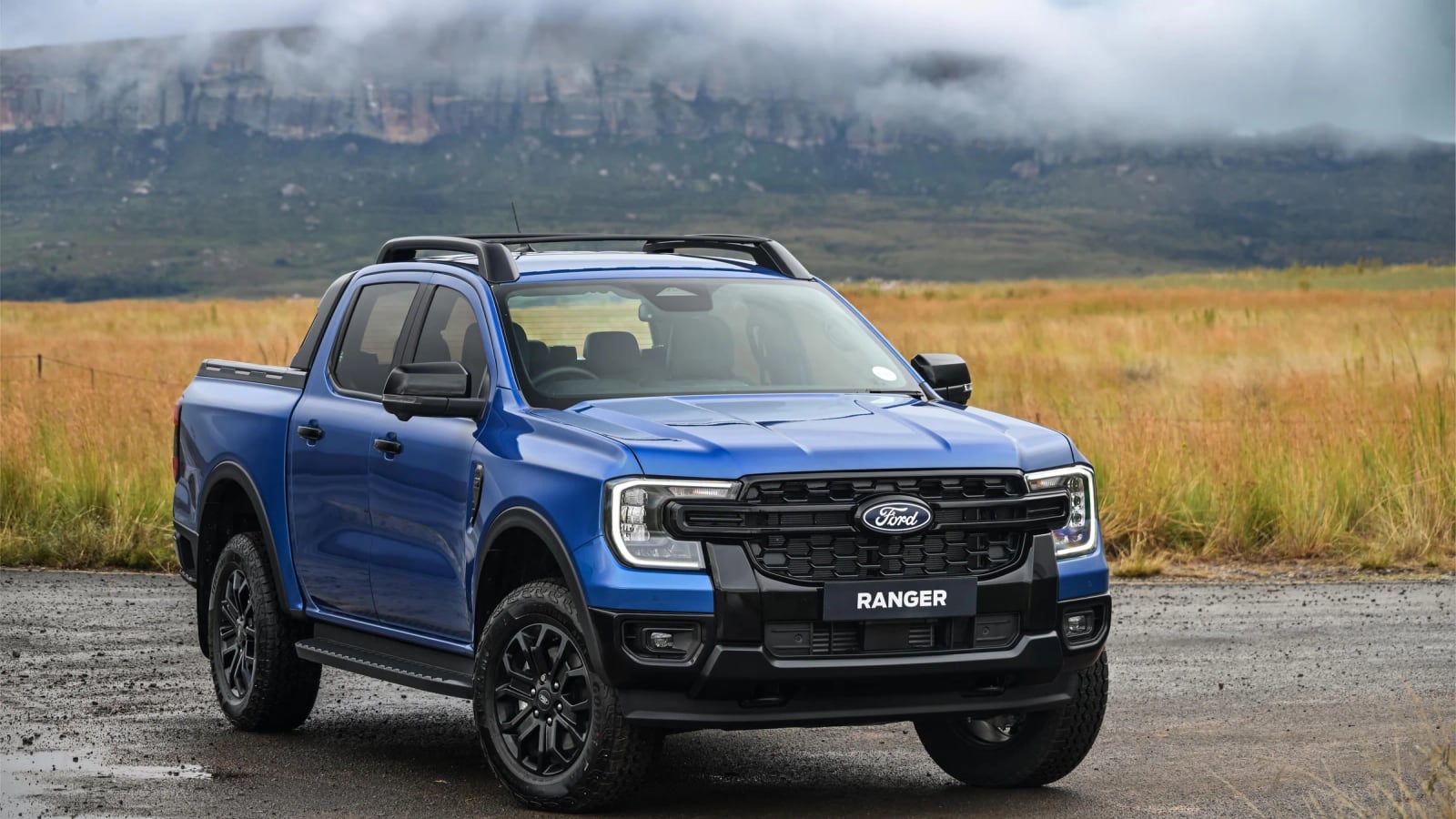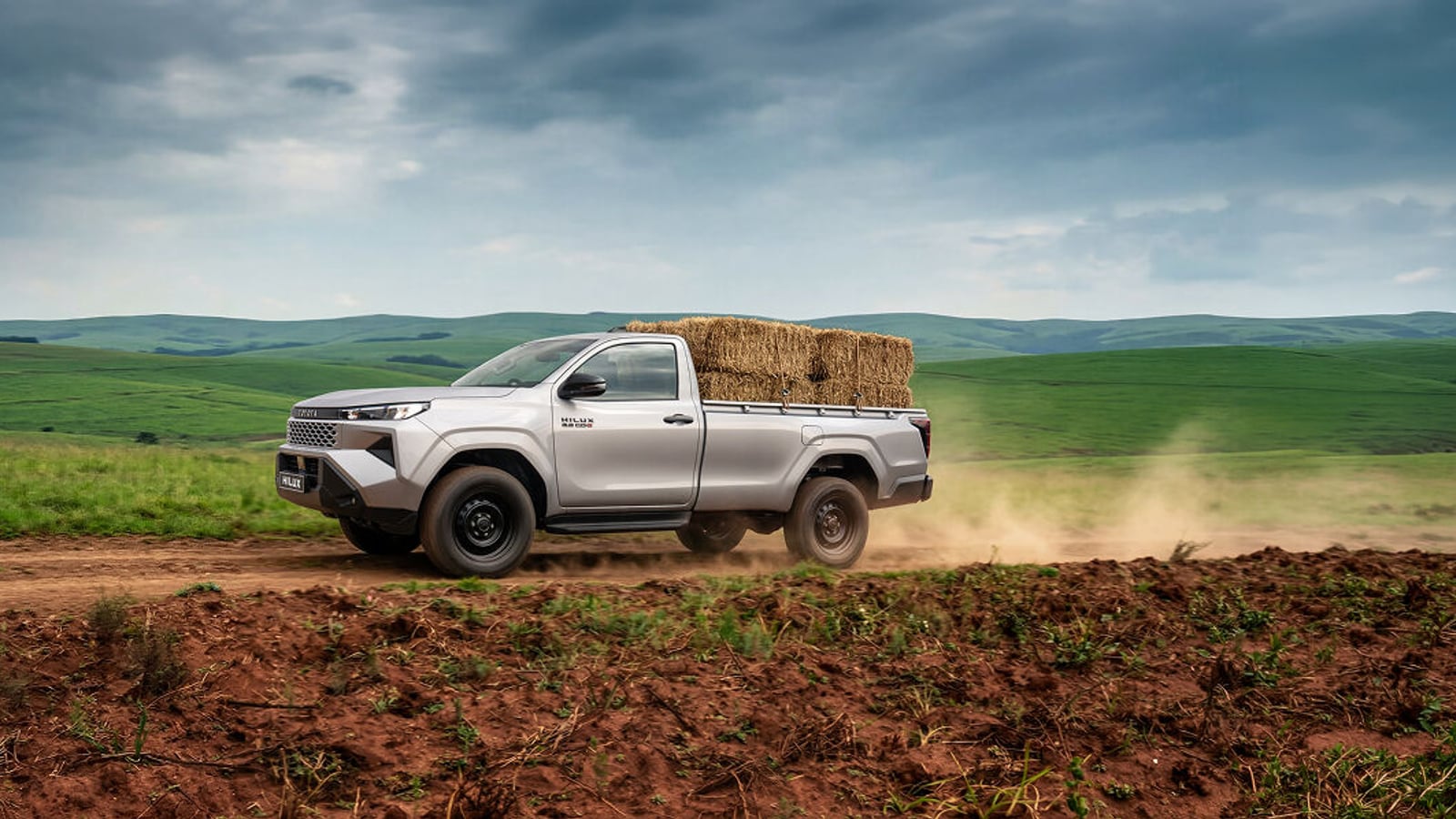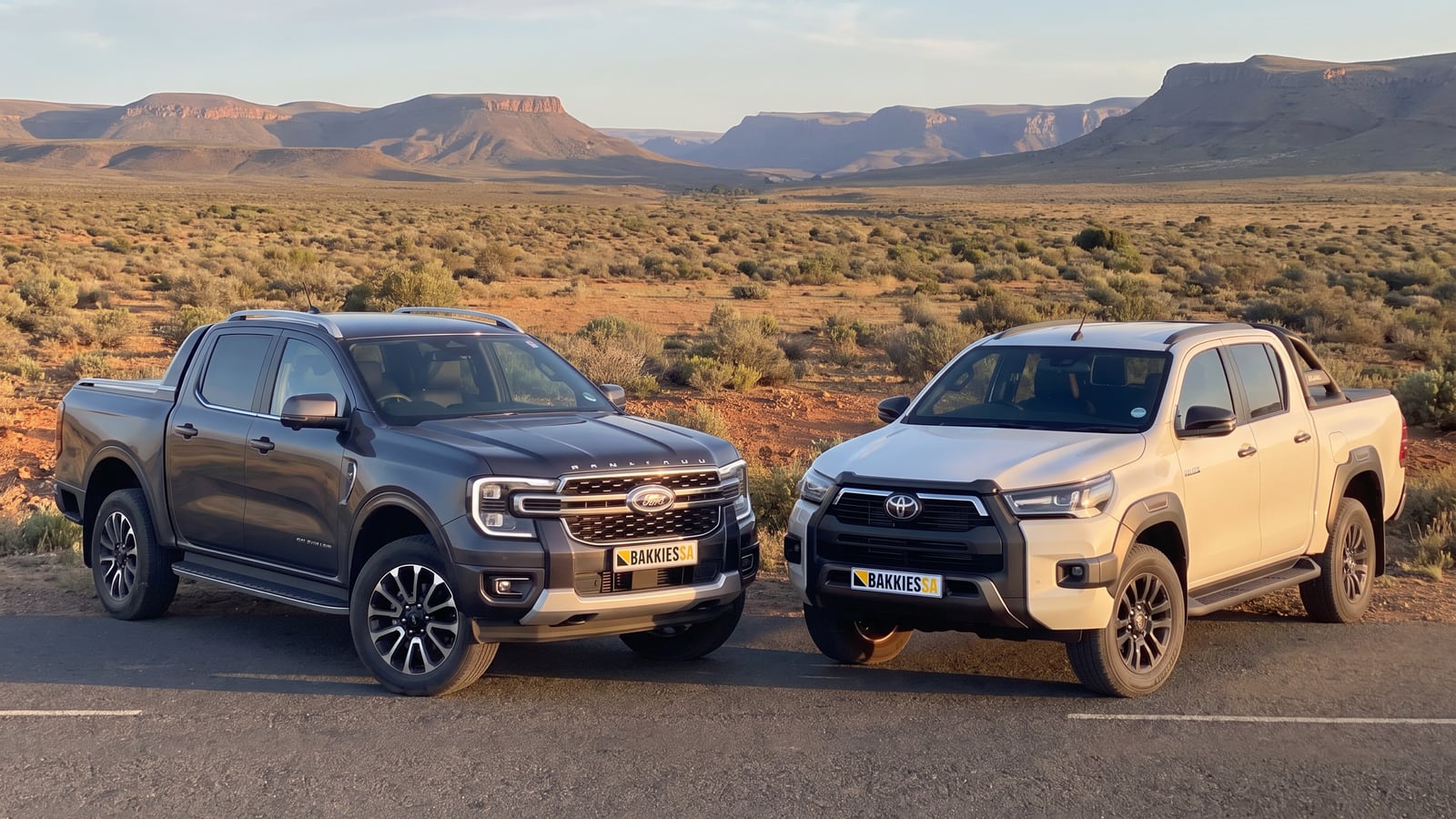
Nobody in this country asks a neutral question about these two. The Ford man says a Ranger feels like a Merc next to a Hilux, and that the Toyota buyer is paying for a badge. The Toyota man says the biggest problem with a Ranger is Ford’s dealers. He says some Rangers are duds and you cannot tell which from the forecourt. And he says a Hilux is money in the bank. When a long-time Hilux owner on a 4x4 forum announced this year that he was switching to Ford, the replies offered condolences.
Both bakkies are built here, the Ranger in Pretoria and the Hilux in Durban. And both sides are right about something. The Ranger has been the best-selling double cab for three years and has outsold the Hilux second-hand since 2023. The Hilux still sells more overall, because of single cabs and Xtra Cabs going to farms and fleets. It still owns Limpopo and the Northern Cape on the used market, while the Ranger leads Gauteng, KwaZulu-Natal, the Eastern Cape, Mpumalanga and North West. And it still asks more money for the same year of bakkie.
The prices in this guide are asking prices from September 2026, from every Ranger and Hilux listed for sale across South Africa. They are what sellers ask, not what bakkies sell for. The live numbers are on the Ranger and Hilux pages.
The market in one picture
In July 2026 South Africans bought about 2,000 used Rangers and about 1,700 used Hiluxes. The typical Ranger sold was a 2021 with 82,000 km, for about R503,000. The typical Hilux was a 2020 with 110,000 km, for about R482,000. A year older, 28,000 km further on, and only R21,000 cheaper. That is the Toyota tax before you adjust for anything.
There is a reason. More than eight in ten Rangers are sold as double cabs. Fewer than half of Hiluxes are, because so many go to fleets, farms and mines as single cabs. So the used Hilux double cab is the scarce one, and scarce things cost more.
Like for like: same year, same body
Take used double cabs only, and compare the same year. This is what each asks:
| Year | Ranger | Hilux | The difference |
|---|---|---|---|
| 2025 | R688,000 | R675,000 | Ranger R13,000 more |
| 2024 | R620,000 | R582,000 | Ranger R38,000 more |
| 2023 | R556,000 | R550,000 | Ranger R6,000 more |
| 2022 | R400,000 | R556,000 | Hilux R156,000 more |
| 2021 | R380,000 | R508,000 | Hilux R128,000 more |
| 2020 | R355,000 | R477,000 | Hilux R122,000 more |
| 2019 | R300,000 | R430,000 | Hilux R130,000 more |
| 2018 | R269,000 | R420,000 | Hilux R151,000 more |
| 2017 | R250,000 | R405,000 | Hilux R155,000 more |
| 2016 | R239,000 | R392,000 | Hilux R153,000 more |
Read it from the bottom. On the old-shape Ranger years, 2016 to 2022, the Hilux asks R120,000 to R155,000 more than a Ranger of the same year. Mileage does not explain it: year for year, the Hilux has done the same kilometres or more. In one line: a 2021 Ranger XLT 4x4 automatic asks about R390,000, and the 2021 Hilux Raider 2.8 4x4 automatic parked next to it asks about R540,000.
At 2023 the table flips, and it is not because Rangers suddenly hold their value. The 2023 Ranger is the new shape, and the ones for sale are mostly expensive Wildtraks and V6s, while the 2023 Hiluxes for sale are mostly Raiders and SRXs. Compare the same trim, an XLT against a Raider, and the Hilux still asks 20 to 30 percent more even on the new shape. Ford’s new bakkie shrank the Toyota tax from about 50 percent to about 25. It did not remove it.
By engine
Locals argue about engines in pairs, and the pairs are where you pay the tax.
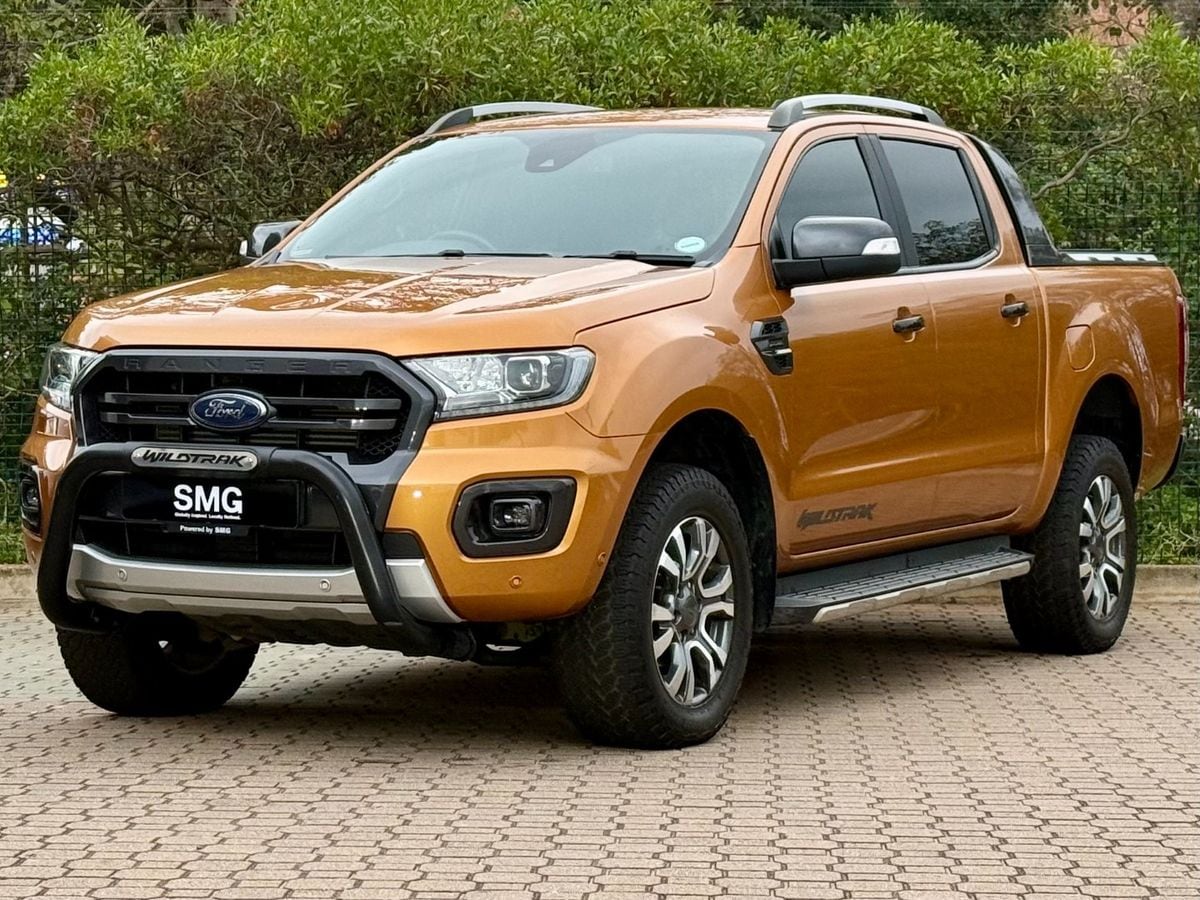
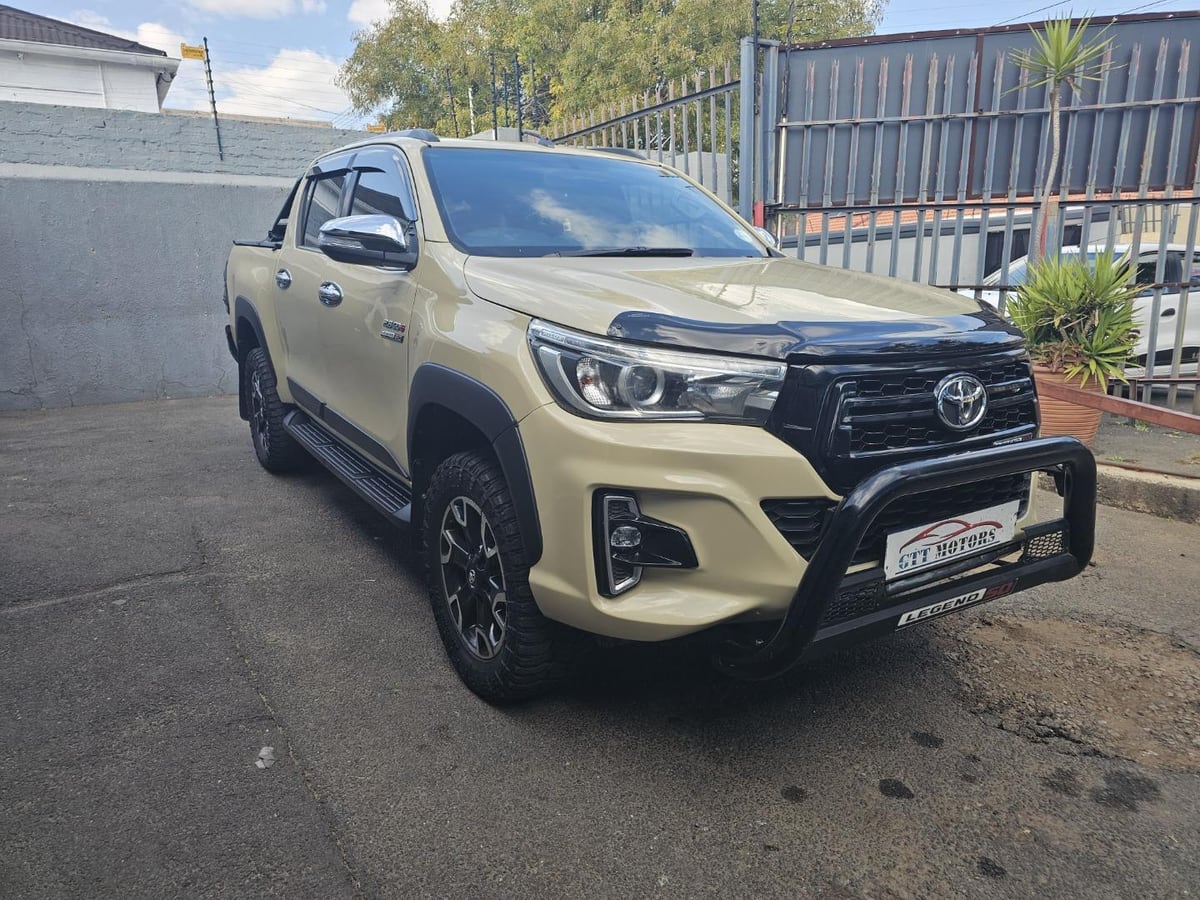
The 2.2 Ranger against the 2.4 Hilux is the fleet fight. A 2020 2.2 double cab asks about R300,000; a 2020 2.4 asks about R420,000. The forum leans Toyota, but only just.
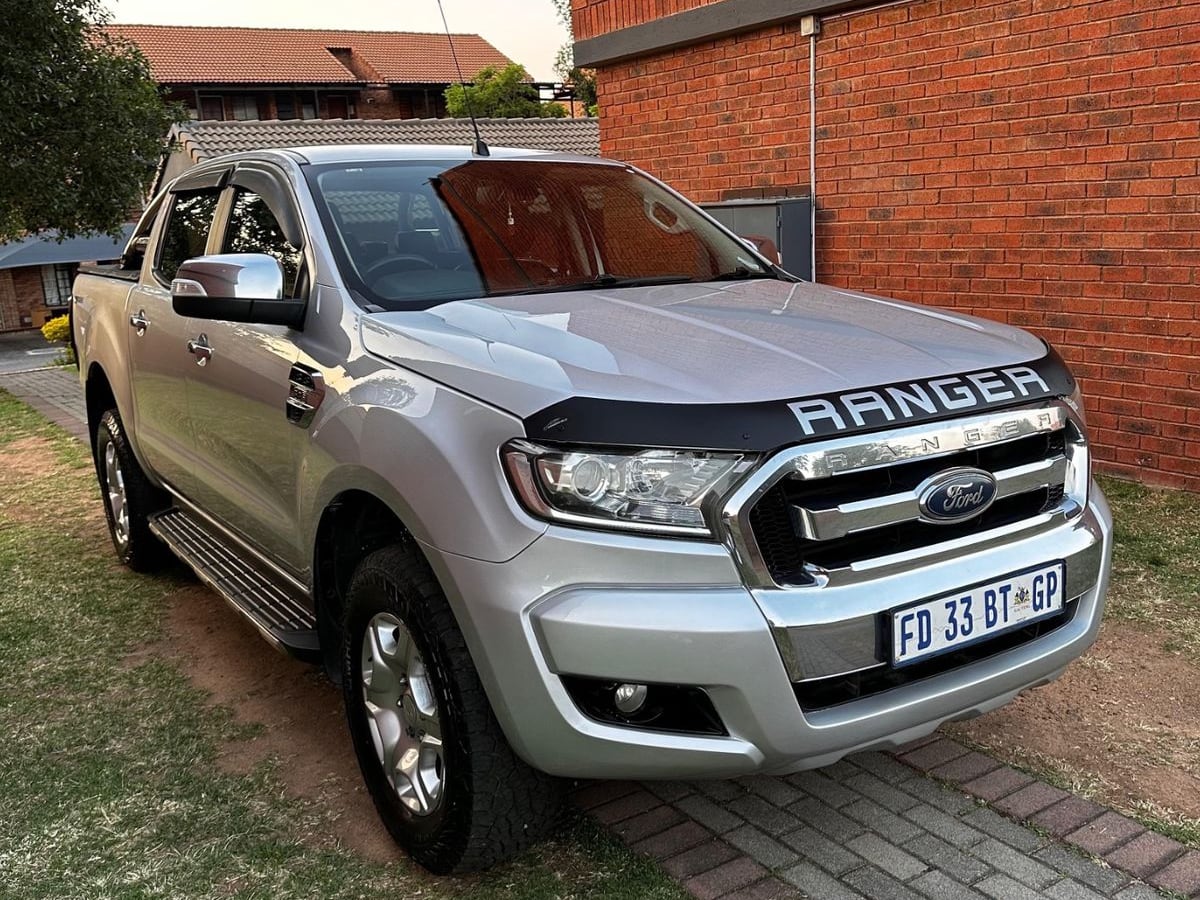
The 3.2 Ranger against the 2.8 Hilux is where the tribes dig in. CAR Magazine’s 2016 twin test found the 2.8 the smoother, thriftier engine and called the Ford’s gearbox lazy. The Ranger had the better ride and the five-cylinder pull that owners swear by with a trailer on. The market has settled it: a 2019 3.2 asks about R300,000 and a 2019 2.8 about R500,000. Used 3.2s now cost about the same as the humbler 2.2, because of the 3.2’s reputation for cooler failures.
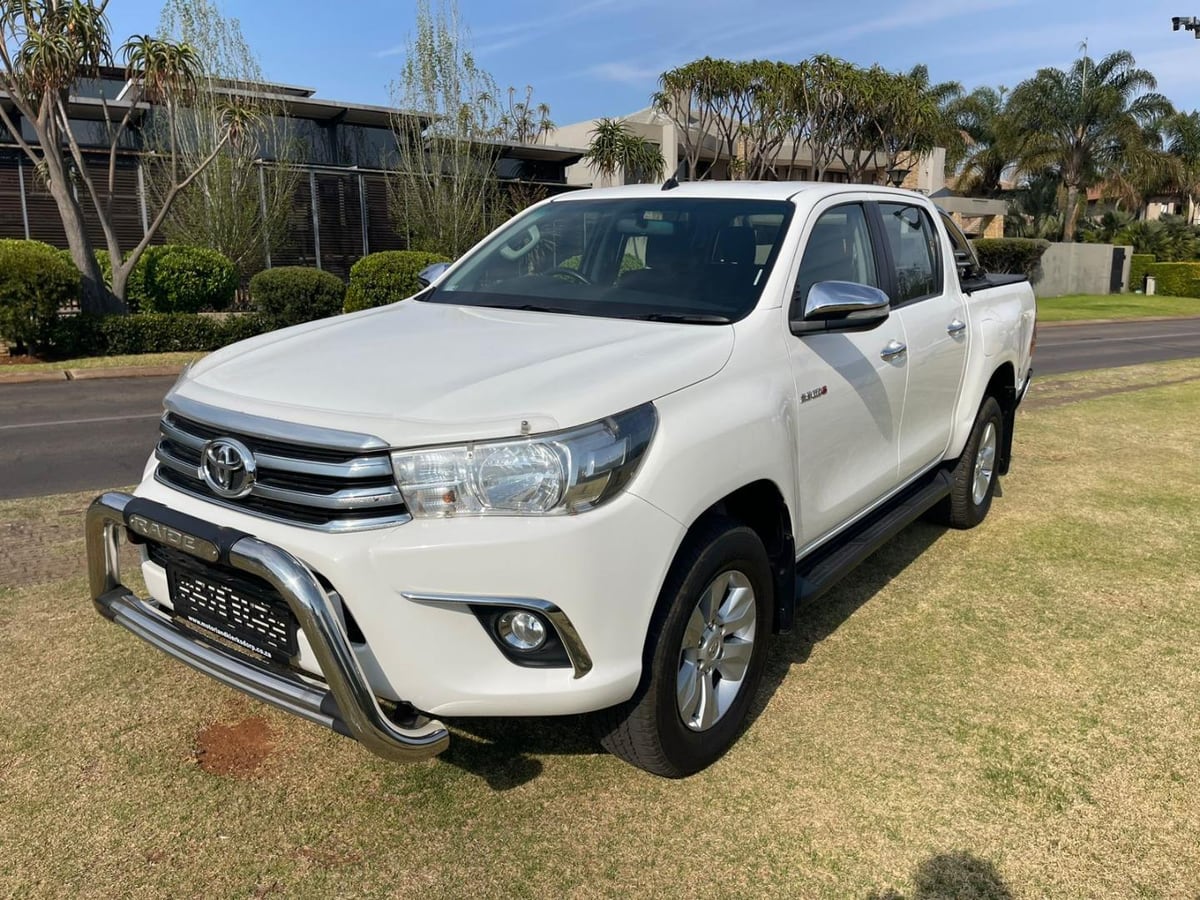
The 2.0 bi-turbo Ranger against the 150 kW 2.8 Hilux is the modern argument. The Ford has 157 kW and a ten-speed gearbox; the Toyota has 150 kW and a six-speed. On 2019 to 2022 bakkies the Ford costs R110,000 to R160,000 less. The forum gives the Ford the gearbox.
The 3.0 V6 Ranger is the one Ford engine that asks more than a same-year 2.8 Hilux: about R700,000 for a 2023 against R650,000.
What the money buys
Under R300,000
This is not really a Ranger versus Hilux decision, because there are nearly 1,200 used Ranger double cabs under R300,000 and only about a dozen Hilux GD6 double cabs. The Hilux you get for R250,000 is an old-shape D4D, typically a 2011 with 250,000 km. The Ranger you get is an old-shape 2.2 or 3.2, typically five years newer.
The Toyota tax is steepest here. A 2015 Hilux 3.0 D4D asks about R336,000 with 259,000 km. A 2015 Ranger 3.2 asks about R240,000 with 168,000 km. The D4D asks more than a 2022 Ranger 2.2.
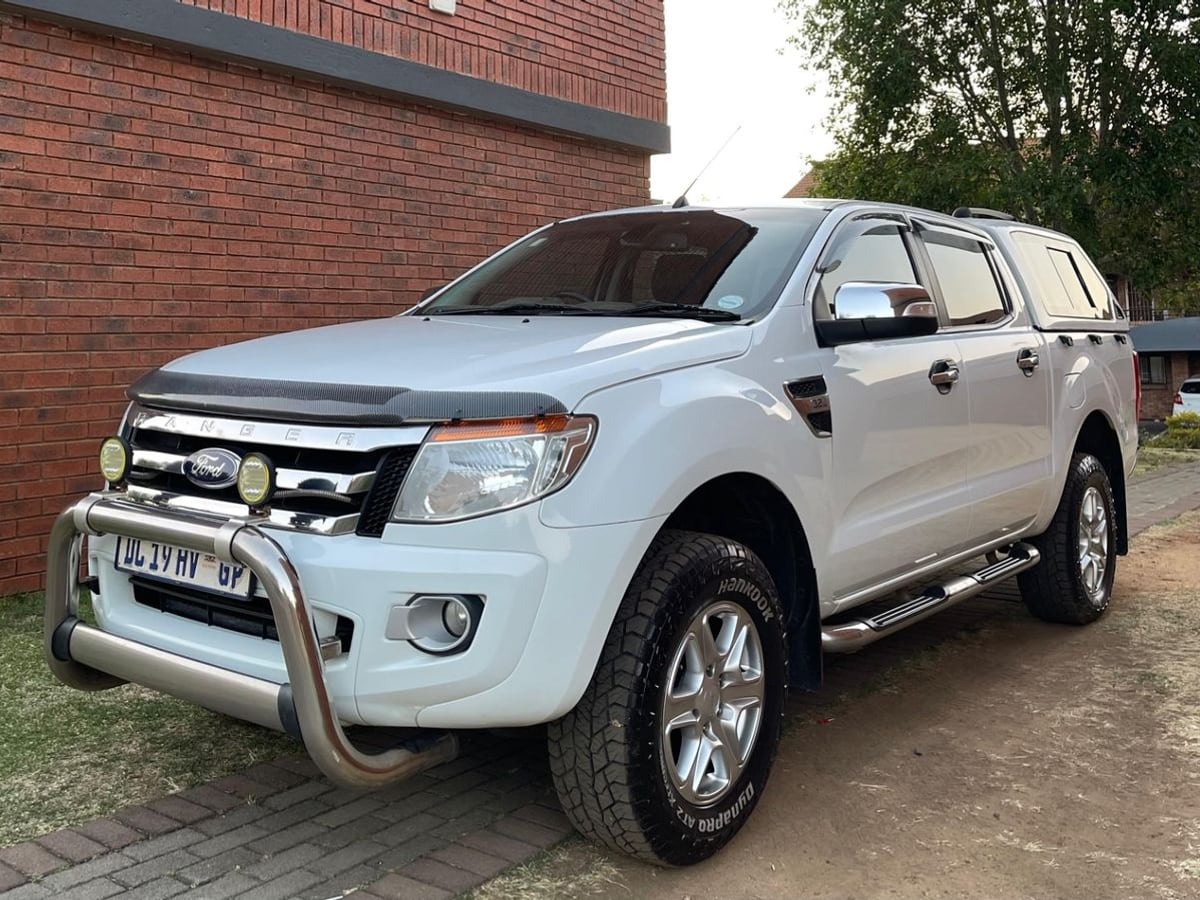
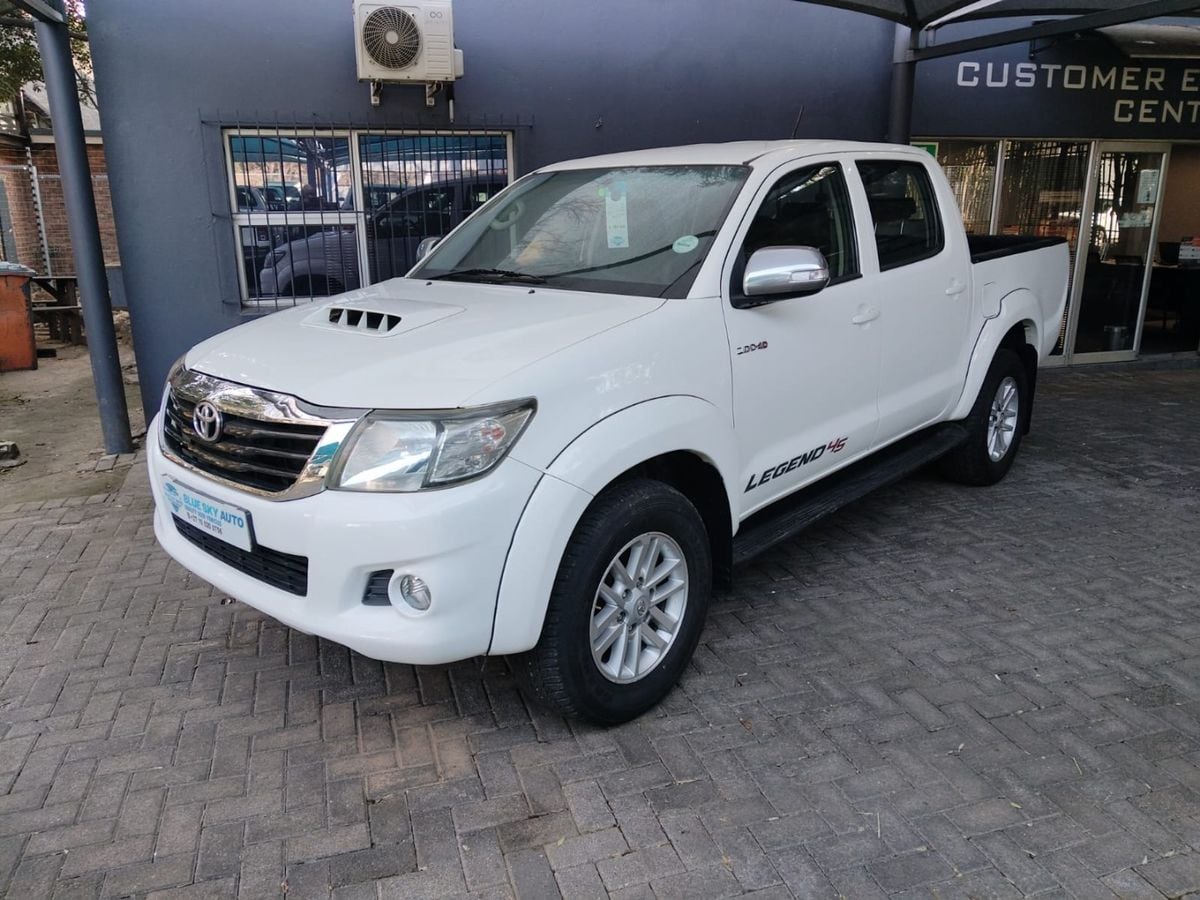
The case for paying it: a quarter of a million kilometres is normal on a D4D. Its parts are cheap. And it will sell to the next Toyota loyalist in an afternoon. The case against: nearly half the D4Ds for sale are past 250,000 km, with cracked pistons, injector seals and the airbag recall all waiting. A 3.2 with paperwork is a newer, more comfortable bakkie, and the market has already discounted it for you.
R300,000 to R500,000
At every rung of this band, the Ranger is about three years newer and has 40,000 to 50,000 km less on it than the Hilux for the same money. R350,000 buys a 2021 Ranger with 126,000 km or a 2018 Hilux with 178,000 km. R450,000 buys a 2022 Ranger with 90,000 km or a 2020 Hilux with 130,000 km.
On the Ford side this is the 2.0 bi-turbo era, XLTs and Wildtraks, plus the last 3.2 Wildtraks. On the Toyota side it is 2.4 Raiders and the older 130 kW 2.8s, with the first 150 kW Legends at the top. Note that the 2.4 is not the cheap Hilux: a 2021 2.4 Raider asks about R450,000, which is R50,000 more than a 2021 Ranger 2.0. The cheap way into a GD6 is a 2016 to 2019 SRX at about R380,000, or a 2.8 manual at about R470,000.
R500,000 to R700,000
Here the Ranger is the better vehicle and the Hilux the better investment. R550,000 buys a 2025 Ranger with 26,000 km (mostly single-turbo XL demos) or a 2023 Hilux with 90,000 km. R650,000 buys a 2025 Ranger with 33,000 km or a 2024 Hilux with 49,000.
There is also a heckler in the room at this price: a new JAC T9 double cab at about R580,000, R40,000 under the cheapest new Ranger double cab.
R700,000 and up
For the first time, the V6 Wildtrak and the 2.8 Legend 4x4 automatic cost about the same used: about R760,000 for a 2024 of either, and R820,000 to R850,000 for a 2025. The Raptor is the one Ford that costs more than its Toyota rival: R100,000 to R185,000 more than a same-year GR-Sport.
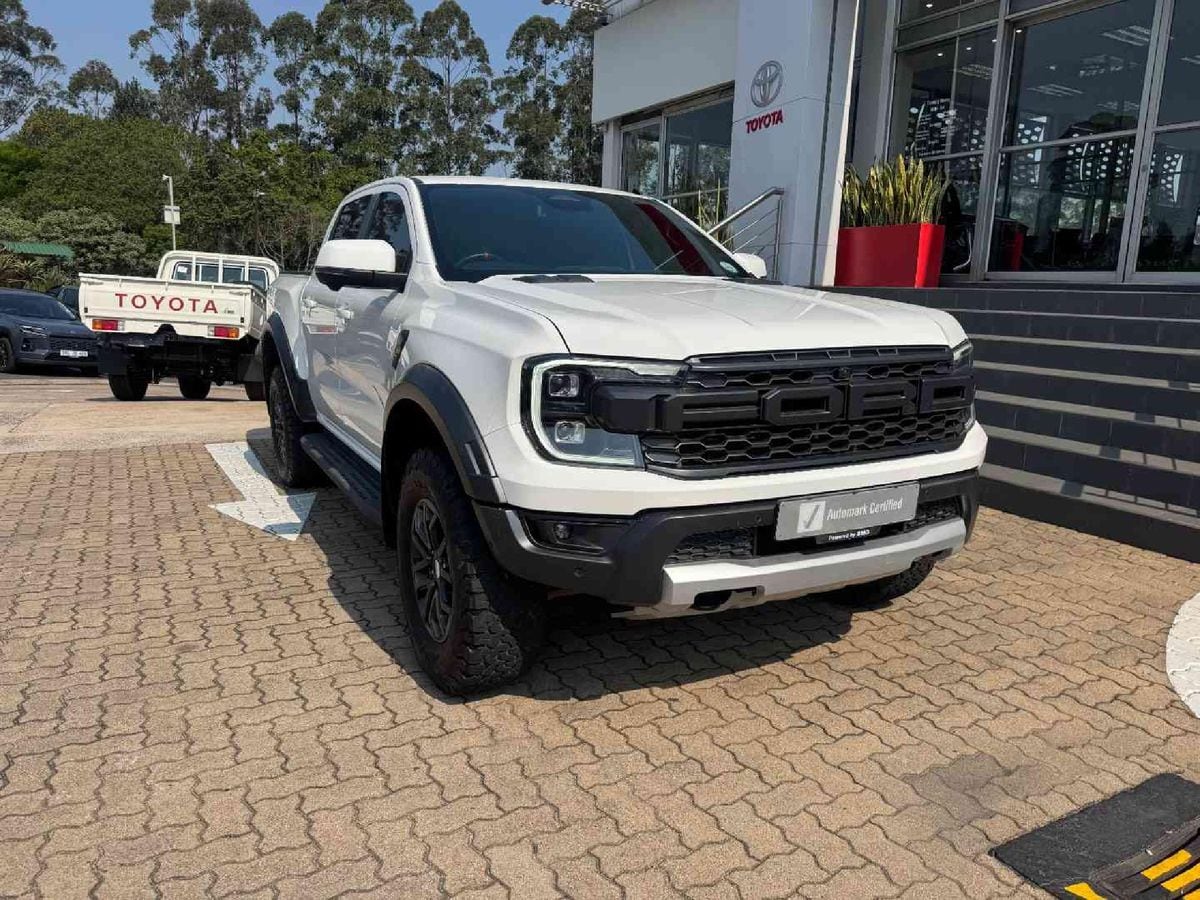
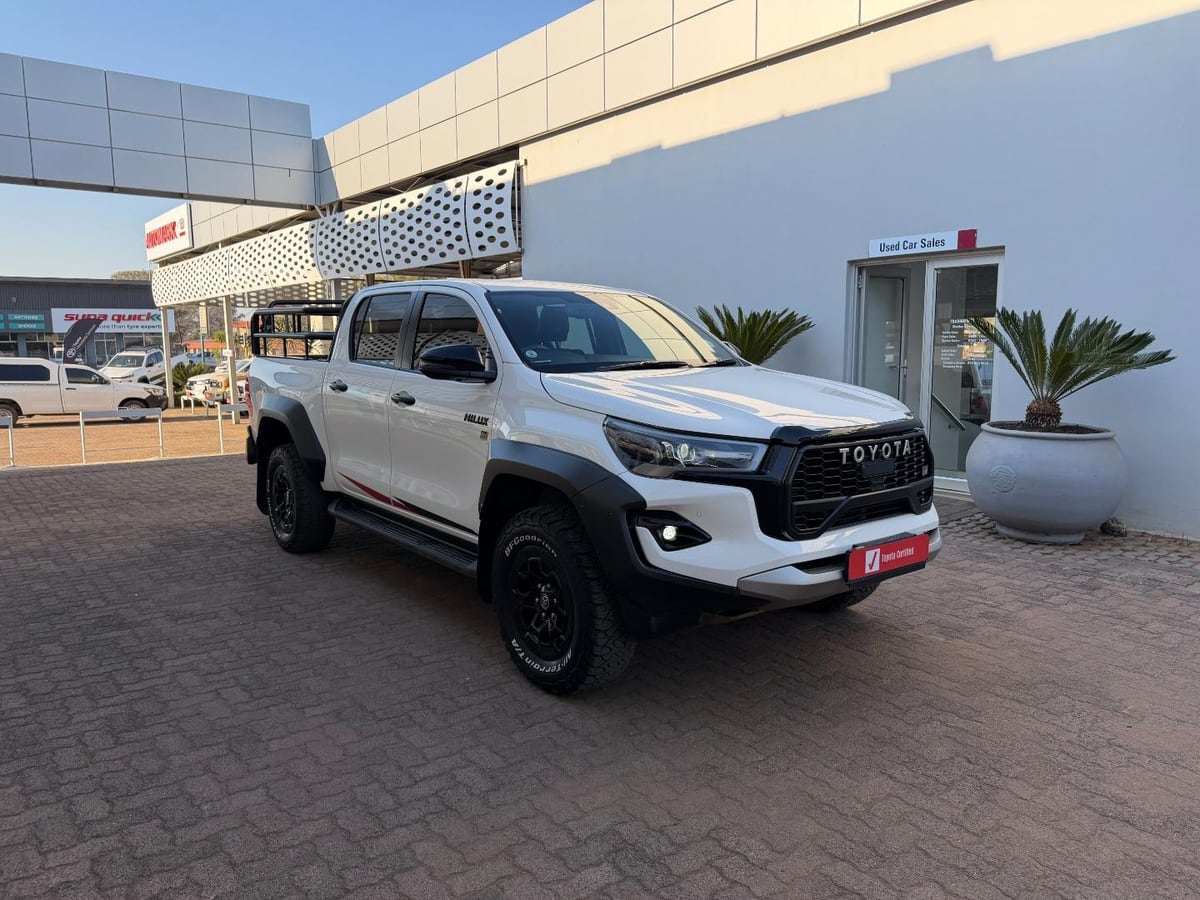
The GR-Sport buyer is a Toyota loyalist who wants the wide body and the extra power. The Raptor buyer is buying driveway status and Baja mode. On the South African twin tests the Raptor wins on ride, because the GR-Sport jolts. The catch with the Raptor is that it is a toy. It tows only 2,500 kg and carries only 670 kg. One test could not get it under 14.5 litres per 100 km in town.
The drive, the cabin and the towing
The ride argument is seventeen years old and the Ranger has won it every time. In 2009 the forum line was already that you take the Ford if you want any kidneys left. CAR Magazine in 2016 called the Hilux’s firm ride its weak point. Cars.co.za in 2019 found the unladen back end jittery. In CAR’s 2021 three-way test the Ranger had the best suspension and steering, and the two used exactly the same fuel. The brand-new 2026 Hilux has finally caught up, but that does not help you: the used Hilux is the old shape.
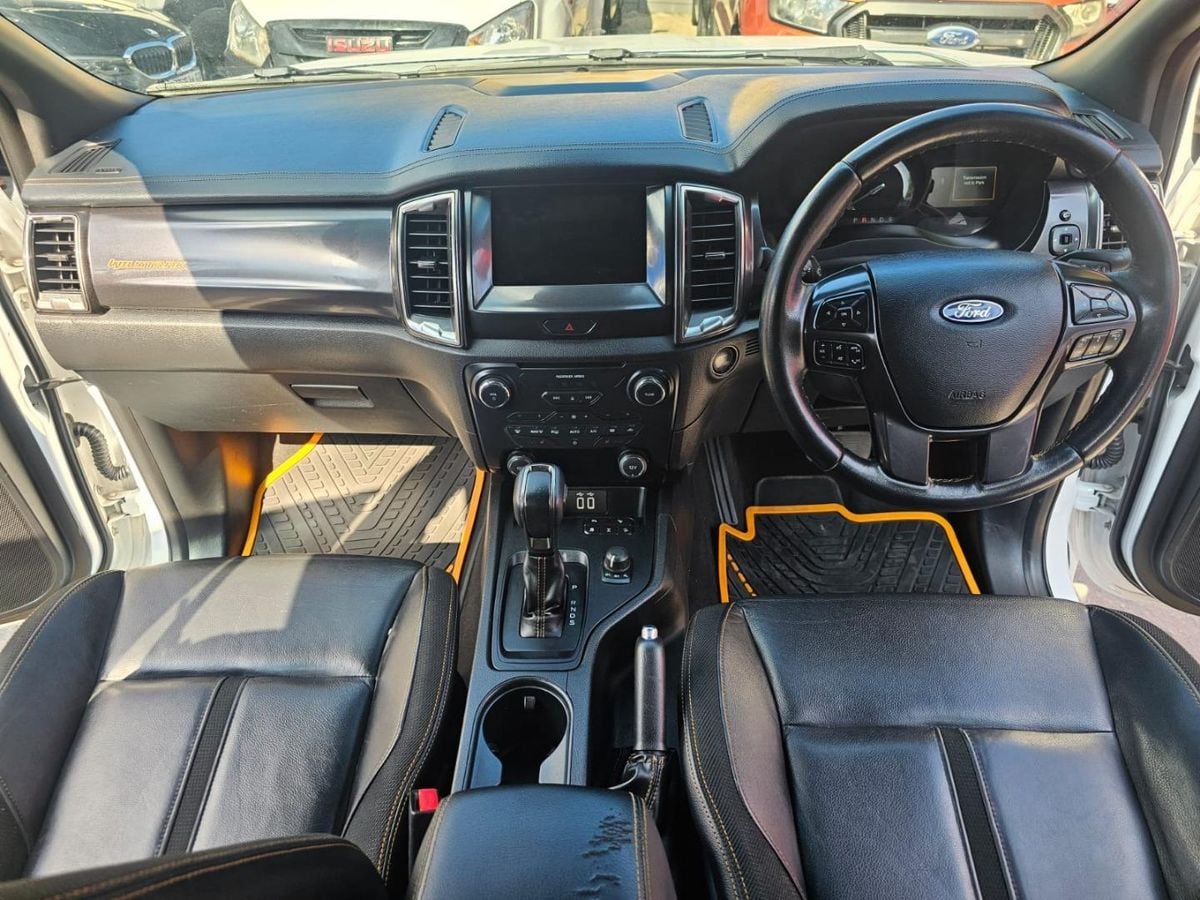
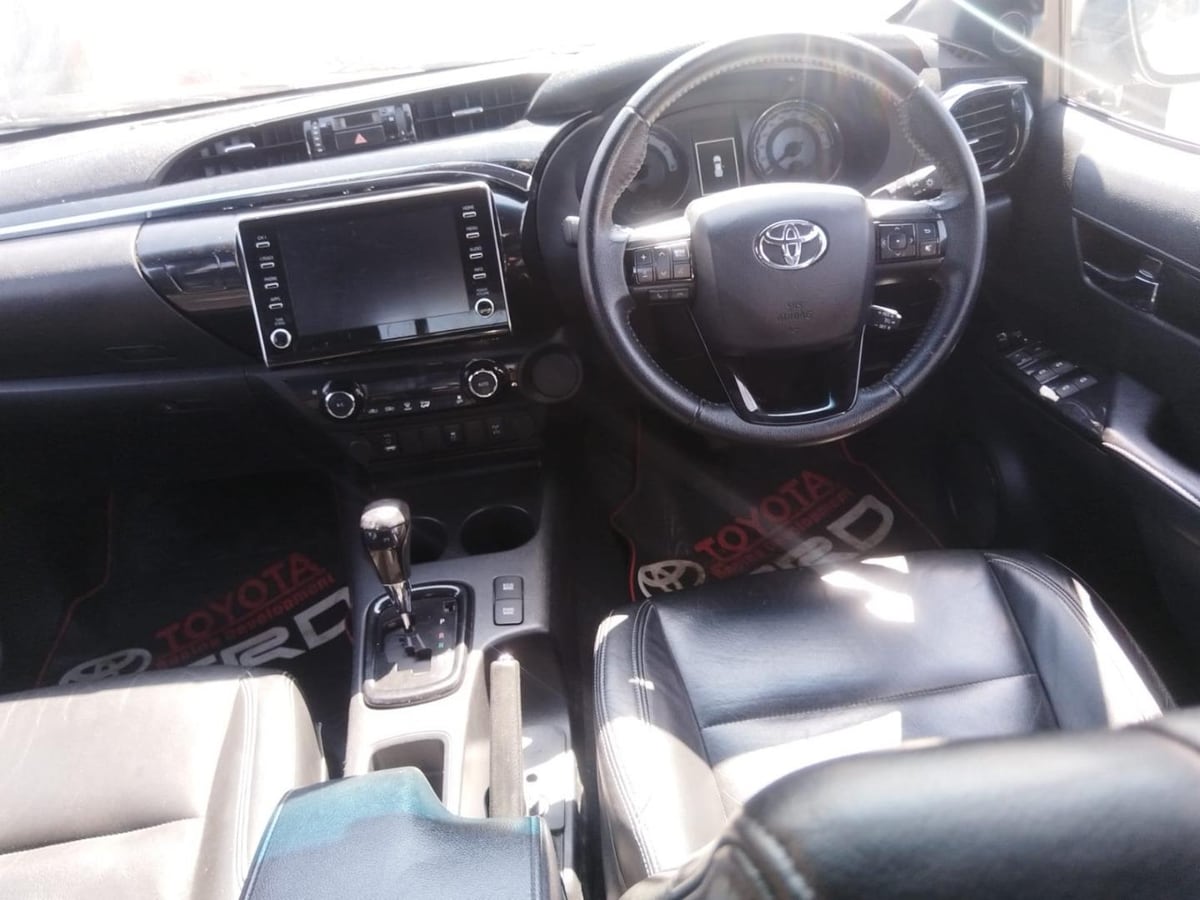
The cabins split the same way. Cars.co.za gave the 2019 Ranger the interior by a clear margin, for its big screen with CarPlay against a Hilux with neither. The forum’s take is that the Hilux is the more solid interior and the Ford the softer, nicer one. The Hilux got CarPlay in 2020, and the new-shape Ranger got a 12-inch screen, which in the Hilux man’s words is “more to go wrong”.
Towing is where the spec sheet and the braai disagree. Both are rated to tow 3,500 kg as 4x4 double cabs. The two-wheel-drive Hilux is rated at only 2,750 to 2,800 kg, the two-wheel-drive Ranger at 3,500, and the Ranger carries more in the bin on every comparison. The forum’s verdict is about gearboxes: the Ranger’s ten-speed gets praised, and the Hilux 2.4 automatic gets damned for hunting for gears. When the thread gets heated, someone changes the subject to the Isuzu 3.0, and neither side objects.
In a small town, the dealer decides. Toyota has about 200 dealers in the country, Ford about 120. A 300 km round trip for every service is why the forum told one farmer to buy the dearer bakkie.
Running costs and insurance
Fuel is a draw, engine for engine. A 2.2 Ranger uses about 9 litres per 100 km in the real world, a 3.2 about 11, a 2.0 about 8 to 9.5. The Hilux 2.4 and the older 2.8 both returned 7.8 on CAR’s test route. At 20,000 km a year, either bakkie drinks about R55,000 of diesel.
Servicing favours the Ford on paper. It needs a service every 15,000 km instead of every 10,000, so six visits per 90,000 km instead of nine. Its warranty is four years or 120,000 km, against three years or 100,000 on the Hilux. But Toyota includes nine services in the price of every Hilux, and Ford made its service plan optional from the end of 2021. So a used 2022-onwards Ranger may have no plan at all. Ask. Out of plan, Hilux owners post dealer bills of about R4,200 for the 100,000 km service and R7,000 to R9,000 for the 120,000. Ranger owners quote about R5,000 a service, but with three fewer of them.
Insurance is the Ranger’s clearest win. For the same driver, the Hilux costs about R1,250 a month to insure and the Ranger about R1,000. That is R15,000 over five years, and it is nearly the whole difference in total running cost between the two.
What goes wrong, in rand
First, a thing the internet gets wrong. Neither bakkie has a diesel particulate filter in South African spec. Our Hiluxes and our old-shape Rangers were built for our diesel and do not have one. If a dealer tells you either bakkie “needs a highway run to regenerate”, he is reading from an Australian forum.
Ranger 2.0 (2019 to 2025). The timing belt runs inside the engine oil and must be replaced. Ford dealers charge R10,000 to R18,000, and if it fails and takes the oil pump with it, the bill passes R100,000. Ford has since given the single-turbo a chain and dropped the bi-turbo. Get the invoice or knock the cost off the price.
Ranger ten-speed gearbox (2019 on). The early ones lost oil pumps. In July 2026 the National Consumer Commission published a recall for 2017 to 2020 Rangers sold between mid-2018 and early 2020. A pump gear inside the gearbox can fail, and the bakkie loses drive. The fix is free software, and every one of those bakkies is now out of warranty. Run the VIN.
Ranger 3.2 and 2.2 (2011 to 2022). The EGR cooler cracks and puts coolant into the oil: R8,000 to R18,000 to replace, or an engine if it ran too long on the mess. The timing chains cost R6,000 to R12,000 to do at 150,000 to 200,000 km, and R25,000 to R45,000 if they let go first. Any 3.2 past 150,000 km without paperwork has R30,000 to R50,000 of work waiting.
Ranger V6 (2023 on). In July 2025 Ford recalled 534 South African V6 Rangers for a camshaft sprocket that can fracture and stall the engine. Two owners lost engines at about 20,000 km before it was announced. On a 2023 or 2024 V6, ask whether the engine is the original.
Hilux 2.8 and 2.4 (2016 on). Injectors wear out on South African diesel between 120,000 and 200,000 km, at R4,000 to R10,000 each, and the 2.4 suffers most because it is the fleet engine. 2.8s built before mid-2017 had a factory timing-chain fault, R12,000 to R25,000 out of warranty. The turbo actuator sticks at 120,000 to 180,000 km, R5,000 to R10,000, or R25,000 to R45,000 with the turbo. The automatic shudders past 100,000 km, anywhere from R6,000 to R55,000 to fix. There is no recall on the GD6. The old D4D is covered by the airbag recall, and four in ten affected Toyotas in the country have still not had it done.
One more thing. Overpriced high-mileage bakkies are a bigger problem on the Hilux side. Of the Hiluxes for sale with more than 250,000 km, about four in ten ask R350,000 or more. Of the Rangers with that mileage, hardly any ask even R250,000. The Ranger market discounts for kilometres. The Hilux market does not, which is good for the seller and bad for you.
The theft question
The Hilux is the most hijacked vehicle in South Africa on every list published in the last two years. The Ranger is third, behind the Polo Vivo. So the Ranger is less targeted, but not safe, and both are worth stealing for export: about a third of stolen vehicles cross a border. In June 2026 a R700,000 Legend taken in Tshwane was stopped on the N1 outside Polokwane, on its way to Beitbridge.
It costs. The same driver pays about 15 to 25 percent more to insure a Hilux than a Ranger, with a higher excess if it is stolen. Both need a working tracker to get theft cover, and some insurers now want two. The checks for a cloned bakkie are the same on both. The VIN plate, chassis stamping, windscreen sticker and engine number must all match the registration papers. And you want the manufacturer’s service printout, not stamps in a book.
Resale, honestly
The lore says a Ranger’s resale is terrible and a Hilux never loses money. The studies disagree with the lore, and with each other.
In 2018, True Price found the Hilux held 73 percent of its value against the Ranger’s 69, under 100,000 km. AutoTrader’s July 2026 study of three-year-old bakkies had the Hilux at 72 to 78 percent and the Ranger at 68 to 73. It said the gap was no longer the chasm it used to be.
Our own numbers agree at three years and disagree after. As a share of what the same bakkie costs new today, a three-year-old Ranger holds 70 percent and a three-year-old Hilux 74. At five years it is 48 percent against 68. At eight years, 34 against 56. The Ranger loses it between years three and five, and the reason is a cliff, not a slope. A 2023 Ranger is the new shape and a 2022 is the old one, so the price drops about R155,000 in one year. The Hilux has sold one shape since 2016, so it has no cliff. It will get one the day the new 2026 Hilux is common on the used market.
The Ranger’s consolation, as the forum says every time: up to R100,000 less going in, R250 a month less insurance, three fewer services per 90,000 km. You pay the Toyota tax on the way in or on the way out.
The decision
Under R300,000. A 2017 to 2021 Ranger 2.2, or a 2015 to 2019 3.2 with paperwork for the coolers and chains, if you drive far and want comfort. Or a 2011 to 2015 Hilux 3.0 D4D, bought on condition, with the airbag recall done and the injector seals invoiced. That is the bakkie that has finished losing value and will sell to the next loyalist in an afternoon.
R300,000 to R500,000. A 2020 to 2022 Ranger 2.0 bi-turbo with a belt invoice and the recall done is the best engine and gearbox for the money in the country. Without the invoice, budget R18,000. A 2018 to 2021 Hilux 2.8 with Toyota’s service printout is the safer thing to hold. With stamps only, it is an injector set you are about to pay for.
R500,000 to R700,000. The Ranger is the better vehicle and the Hilux the better investment, and the Hilux costs 20 to 30 percent more like for like. Keep it eight years and the Ranger wins on running costs and cabin. Trade every three years and buy the Hilux: at three years they hold the same, and the Hilux sells faster.
R700,000 and up. The V6 Wildtrak and the Legend 4x4 automatic cost the same used. On a 2023 or 2024 V6, confirm the sprocket recall was done and the engine is original. The Raptor is a toy that will not tow the boat.
Then ignore the badge and buy the paperwork. The Ranger and Hilux listings pages show every bakkie next to the going rate for its year. So you know, before you phone, whether it is priced for what it is.
Questions people ask
Is a used Ranger or a used Hilux cheaper in South Africa?
Same year, same body, the Ranger, by a lot. A used 2021 Ranger double cab asks about R380,000 against R507,000 for a 2021 Hilux double cab. A 2020 asks about R355,000 against R477,000. Across the 2016 to 2022 years the Hilux costs R120,000 to R155,000 more, and it has done the same kilometres or more. On the new-shape Rangers (2023 on) the Ranger looks dearer at first glance, but only because so many of the ones for sale are expensive Wildtraks and V6s. Compare the same trim, an XLT against a Raider, and the Hilux still asks 20 to 30 percent more. Nationally the average used Ranger sells for more than the average used Hilux, but that is because the Ranger sold is a year newer with 28,000 km less.
Which holds its value better, Ranger or Hilux?
At three years it is close to a tie: AutoTrader's July 2026 study of three-year-old double cabs at about 60,000 km put the Hilux at 72 to 78 percent of its original price and the Ranger at 68 to 73. At five and eight years the Hilux is well ahead, on every published study and on our own numbers. Toyota has sold one shape since 2016, while the Ranger changed shape for 2023: a used 2022 asks about R400,000 and a 2023 about R556,000, a jump of R155,000 in one year. Trade every three years and it barely matters; keep it six and the Hilux costs you less in depreciation, offset by the Ranger's lower price going in and cheaper insurance.
Which is better for towing, the Ranger or the Hilux?
Both are rated to tow 3,500 kg braked as 4x4 double cabs, the Hilux since 2016 and the Ranger across the range since 2019. The raised-body 4x2 Hilux is rated 2,750 to 2,800 kg, the 4x2 Ranger 3,500. Payload favours the Ranger by 100 to 200 kg on every like-for-like SA pairing. Owners who tow with both rate the Ranger's ten-speed the more relaxed gearbox and complain that the Hilux 2.4 automatic hunts; the Hilux answer is the 150 kW 2.8 and a rear end that shrugs off years of loading. The petrol Ranger Raptor is rated 2,500 kg and should not be bought as a tow vehicle.
Does the Ranger have more problems than the Hilux?
It has more expensive known ones and more recalls. The 2.0 BiT and SiT run a timing belt in the engine oil that costs R10,000 to R18,000 to replace at the interval dealers are quoting around 120,000 to 150,000 km; the early ten-speed lost oil pumps, and in July 2026 Ford recalled every 2017 to 2020 model-year Ranger sold before March 2020 for it; the 3.2's EGR cooler is R8,000 to R18,000 and its chains R6,000 to R12,000 preventive; and 534 V6 Rangers were recalled in 2025 for a camshaft sprocket that can stall the engine. The Hilux GD-6 list is injectors at 120,000 to 200,000 km (R20,000 to R35,000 a set), a timing chain fault on 2.8s built before mid-2017, the turbo actuator, the airbox and a shudder in the automatic past 100,000 km. Neither has a diesel particulate filter in South African spec, so any regeneration story is imported.
Is a Hilux more expensive to insure than a Ranger?
Yes, by roughly 15 to 25 percent for the same driver, because the Hilux is the most hijacked vehicle in the country on every 2025 and 2026 list. AutoTrader prices the Hilux at about R1,250 a month against about R1,000 for the equivalent Ranger, R15,000 over five years. The Ranger is third on King Price's 2026 hijacking list, so it is less targeted rather than safe, and insurers require an approved tracker on both, with some now asking for two.
Figures are seller asking prices aggregated from South African listing platforms and dealers, not final selling prices. Most vehicles transact below asking. Updated continuously.
rangerhiluxcomparisonbuying-guide