Every bakkie brochure in South Africa quotes a towing figure and most of them quote the same one. The legal ceiling for a light vehicle is 3,500 kg braked, and the manufacturers have engineered up to it. The brochure does not tell you three things. What happens to that figure once the bakkie is loaded. Which licence the trailer needs. And how much difference the engine makes to whether you enjoy the trip.
The ratings below are the manufacturer’s quoted braked figures for the strongest derivative in each range. They vary by engine, drivetrain and body, sometimes by a lot. Treat this as the ceiling, and confirm your exact model in the handbook or on the plate on the door pillar.
Braked towing ratings by model
| Bakkie | Best rated derivative | Braked rating | Torque (best engine) |
|---|---|---|---|
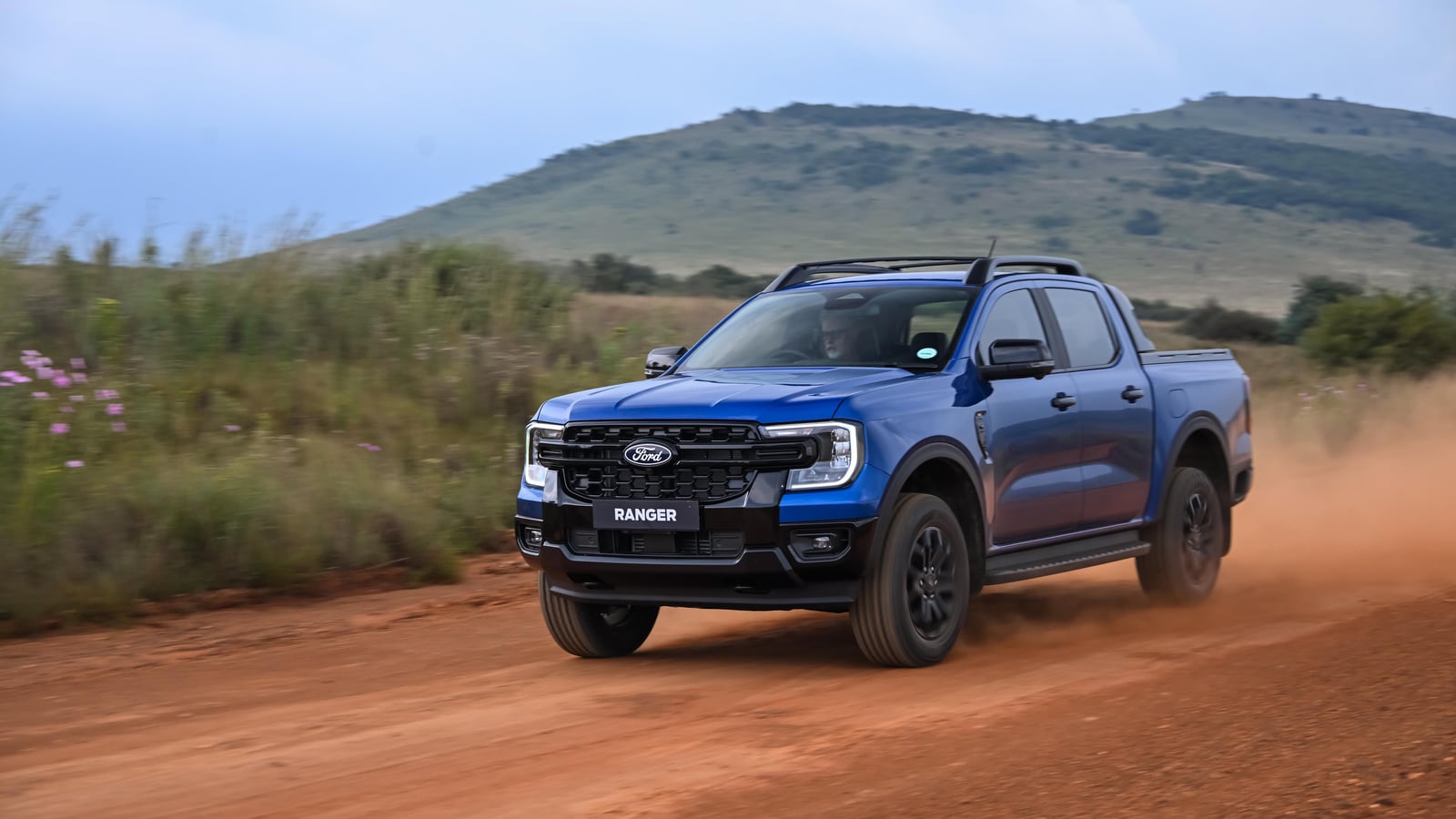
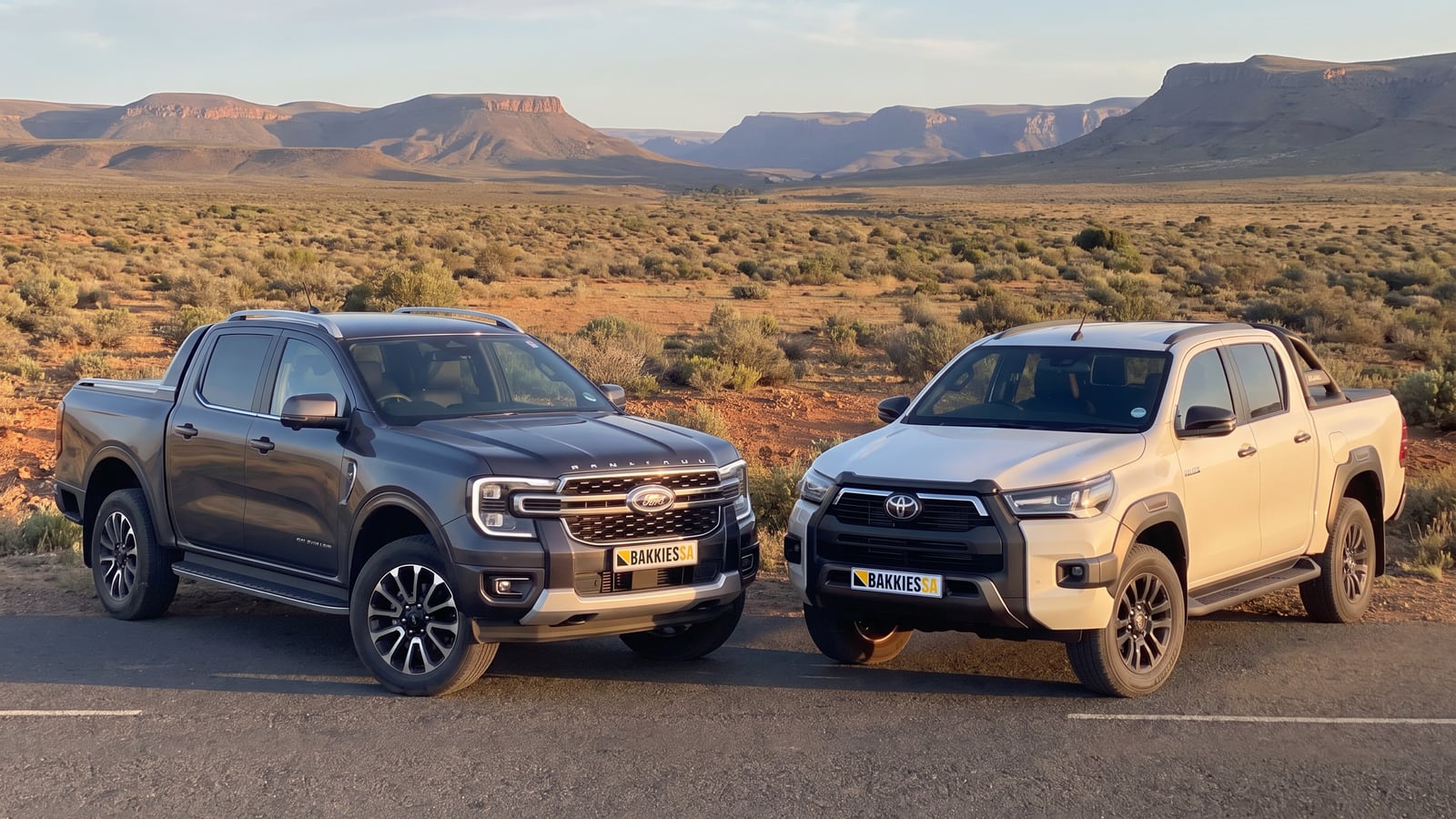
| Ford Ranger | 2.0 BiT, 3.0 V6, 3.2 TDCi | 3,500 kg | 600 Nm (V6) |
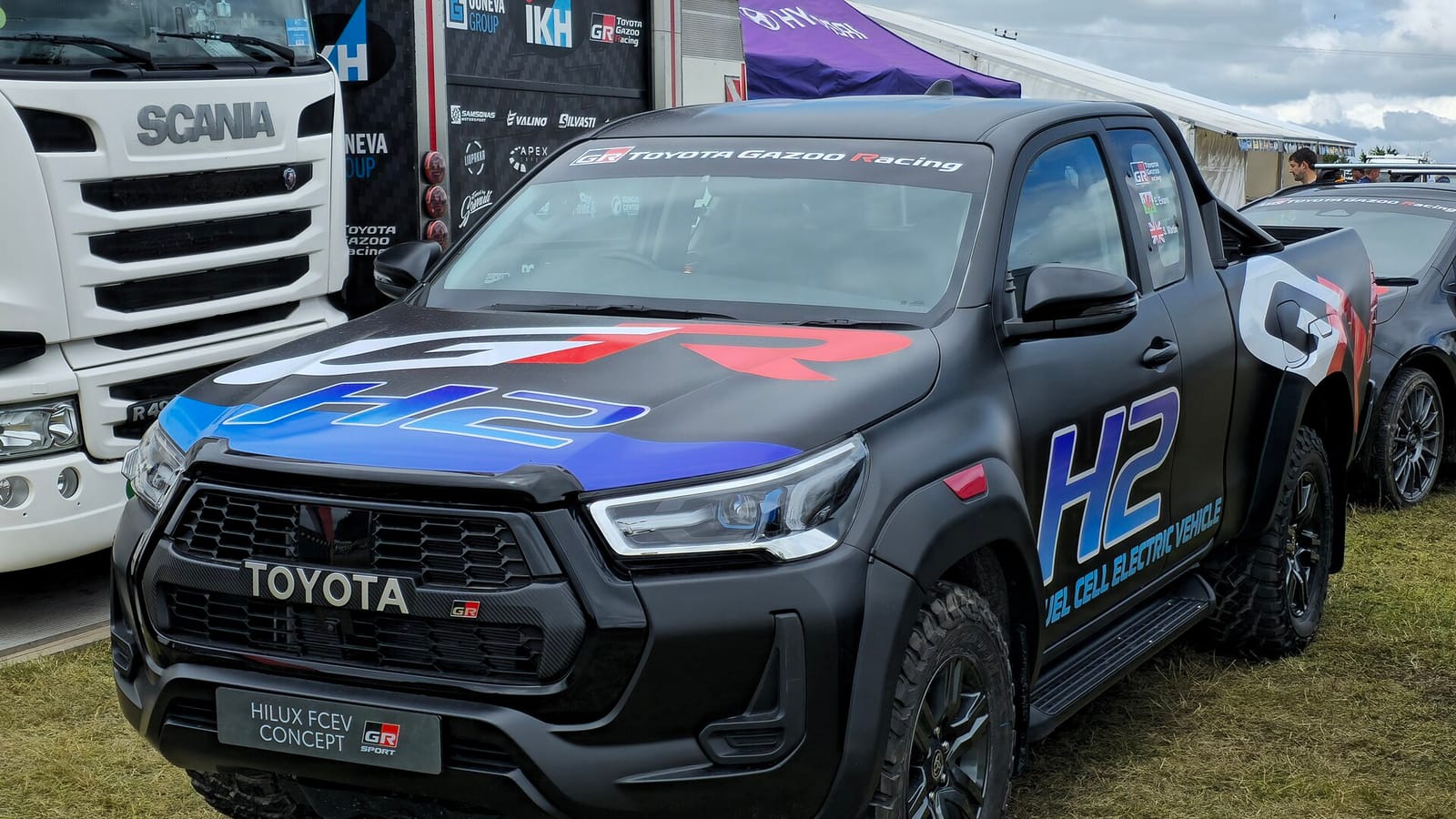
| Toyota Hilux | 2.8 GD-6 | 3,500 kg | 500 Nm |
| Isuzu D-Max | 3.0 Ddi / D-TEQ | 3,500 kg | 450 Nm |
| Volkswagen Amarok | 3.0 V6 TDI (both generations) | 3,500 kg | 600 Nm (gen 2) |
| Nissan Navara | 2.5 dCi (Rosslyn) | 3,500 kg | 450 Nm |
| Mazda BT-50 | 3.0 (D-Max based) | 3,500 kg | 450 Nm |
| Kia Tasman | 2.2 CRDi | 3,500 kg | 441 Nm |
| Mitsubishi Triton | 2.4 DI-D (5th gen) / 2.4 bi-turbo (6th gen) | 3,100 kg / 3,500 kg | 470 Nm |
| GWM P-Series / P300 | 2.0 TD / 2.4 TD | 3,000 kg to 3,500 kg | 480 Nm (P300) |
| Foton Tunland V9 | 2.0 TD | up to 3,500 kg quoted | check derivative |
| JAC T9 | 2.0 CTi | 3,000 kg to 3,500 kg quoted | 410 Nm |
| Peugeot Landtrek | 1.9 HDi | 3,000 kg | 350 Nm |
| LDV T60 | 2.0 bi-turbo | 3,000 kg | check derivative |
| Mahindra Pik Up | 2.2 mHawk | 2,500 kg | 320 Nm |
| BYD Shark 6 | 1.5T PHEV | 2,500 kg | electric motors |
| Jeep Gladiator | 3.6 V6 | about 2,700 kg | 353 Nm |
| Nissan NP200 (half-ton) | 1.5 dCi | under 1,000 kg | 200 Nm |
| Ford Everest | 3.0 V6 | 3,500 kg | 600 Nm |
| Isuzu MU-X | 3.0 Ddi | 3,500 kg | 450 Nm |
| Toyota Fortuner | 2.8 GD-6 | 3,000 kg (2,500 kg on the 2.4) | 500 Nm |
| Mitsubishi Pajero Sport | 2.4 DI-D | 3,100 kg | 430 Nm |
Two things to notice. First, the rating is nearly identical across the volume double cabs, so it is a poor way to choose between them. Second, the torque column varies by almost two to one, and that is the column that describes what towing will feel like.
The number that matters more: gross combination mass
The towing rating assumes the bakkie is close to empty. Every vehicle also has a gross combination mass (GCM), the maximum legal weight of the bakkie, everything and everyone in it, and the trailer, all together. Load the cab with four people and the bin with camping gear, and what you may legally tow is the GCM minus the weight of the loaded bakkie. That is often less than 3,500 kg.
A worked example on a typical double cab: GCM 6,000 kg, tare 2,150 kg. Add four adults (320 kg), a fridge, tents and a full tank (250 kg), and the loaded bakkie weighs 2,720 kg. That leaves 3,280 kg for the trailer, not 3,500 kg. Fill the bed properly and it drops further. The 3,500 kg rating and a full payload almost never fit inside the GCM at the same time.
The other rule is the 75% rule that most insurers and the caravan industry use. A trailer without its own brakes should weigh no more than 75 percent of the bakkie’s tare mass. Even with brakes, staying near that ratio keeps the combination stable. On a 2,150 kg bakkie that is about 1,600 kg, which is where most touring caravans sit anyway.
The compliance plate on the driver’s door pillar lists tare, GVM and GCM. Read it before you buy a caravan, not after.
The licence
A Code B licence covers a vehicle up to 3,500 kg GVM towing a trailer up to 750 kg GVM. Anything heavier behind the bakkie, which includes almost every touring caravan, most double-axle trailers and any braked car trailer, needs a Code EB. It is an offence to tow without it, and an insurer will use it to repudiate a claim after an accident. If you tow, get the EB.
Which engines actually tow well
The rating says what is legal. The engine says whether you will enjoy it.
The relaxed ones. The Ranger 3.0 V6 (184 kW, 600 Nm) and the Amarok V6 (up to 200 kW, 600 Nm) are the two that make 2,000 kg feel like nothing. The Ranger’s ten-speed automatic holds a heavy trailer on a long climb without hunting for a gear. If towing is the main job, these are the two to look at, and the Ranger and Amarok V6 pools are deep enough to choose from.
The capable ones. Hilux 2.8 GD-6 (150 kW, 500 Nm from 2020), Ranger 2.0 BiT (157 kW, 500 Nm), D-Max 3.0 (140 kW, 450 Nm), Navara 2.5 dCi (140 kW, 450 Nm). All of them tow a 1,800 kg caravan to the coast without complaint and all of them will feel it on the climbs. The Hilux 2.8 is the one most South Africans tow with, and it is fine at it.
The ones that are working. Hilux 2.4 GD-6 (110 kW, 400 Nm), Ranger 2.2 TDCi (110 kW, 385 Nm), P-Series 2.0 TD (120 kW, 400 Nm), any D-4D Hilux. Rated to tow, and they will, but with a real caravan behind them the overtaking gaps get long and the fuel consumption gets ugly. If you tow regularly, spend the extra on the bigger engine; the finance guide shows what that actually costs a month.
Automatic or manual. For towing, automatic, every time. A modern automatic manages a heavy trailer on hills better than a driver with a clutch. The ten-speed in the Ranger and the six-speed in the Hilux both have tow modes that hold gears longer.
Buying a used bakkie for towing
A vehicle that has towed hard shows it. On a used bakkie you intend to tow with, check:
- The tow bar and wiring. Factory or a reputable aftermarket fitment with a certificate. A tow bar changes the vehicle’s load rating and needs to be rated for the mass.
- Rear springs. Sagged leaf springs and a nose-up stance mean the vehicle has carried and towed heavy loads. Common on ex-fleet bakkies.
- The gearbox. Automatics that have towed heavy trailers without a transmission cooler get hot, and heat kills them. On the test drive feel for slipping or flaring under load.
- The brakes. Towing wears them. Check discs and pads and ask when they were done.
- Cooling. A bakkie that has overheated towing will often have had a radiator or water pump replaced; look for the invoices.
The listing pages on this site show the engine and drivetrain in the title, and the bakkie’s mileage against the average for its model. That is a fair first filter for a bakkie that will spend its life with something hitched to it.
Questions people ask
Which bakkie can tow the most in South Africa?
Several are rated at the legal maximum of 3,500 kg braked: the Ford Ranger (most derivatives), Toyota Hilux 2.8 GD-6, Isuzu D-Max 3.0, Volkswagen Amarok, Nissan Navara 2.5 dCi, Mazda BT-50 and Kia Tasman, plus the Ford Everest and Isuzu MU-X among the SUVs. The rating is the same; what differs is how comfortably they do it. The Ranger 3.0 V6 with 600 Nm and the Amarok V6 are the most relaxed at the limit.
Do I need a special licence to tow a caravan with a bakkie?
If the trailer or caravan's gross vehicle mass is over 750 kg, you need a Code EB licence, not the standard Code B. Most touring caravans and double-axle trailers are well over 750 kg GVM, so most people towing with a bakkie need the EB. Driving without it is an offence and can void your insurance in a claim.
Can a bakkie tow 3,500 kg fully loaded?
Usually not. The 3,500 kg rating applies to the bakkie in near-empty condition. Every vehicle has a gross combination mass, the maximum weight of bakkie, load, passengers and trailer together, and once you fill the cab and the load bed, the trailer allowance shrinks. On many double cabs a full load of people and camping gear cuts the legal trailer mass to under 3,000 kg. The figures are on the vehicle's compliance plate and in the handbook.
Is a 2.4 Hilux enough to tow a caravan?
For a light caravan, yes; for a big one, it is hard work. The 2.4 GD-6 has 110 kW and 400 Nm and is typically rated to tow 2,500 to 3,500 kg depending on the derivative, but with 1,800 kg behind it on a Free State hill it is working. The 2.8 GD-6, with 150 kW and 500 Nm from 2020, is the engine Toyota sells to people who tow.
Figures are seller asking prices aggregated from South African listing platforms and dealers, not final selling prices. Most vehicles transact below asking. Updated continuously.
towingownershipcaravanspecs