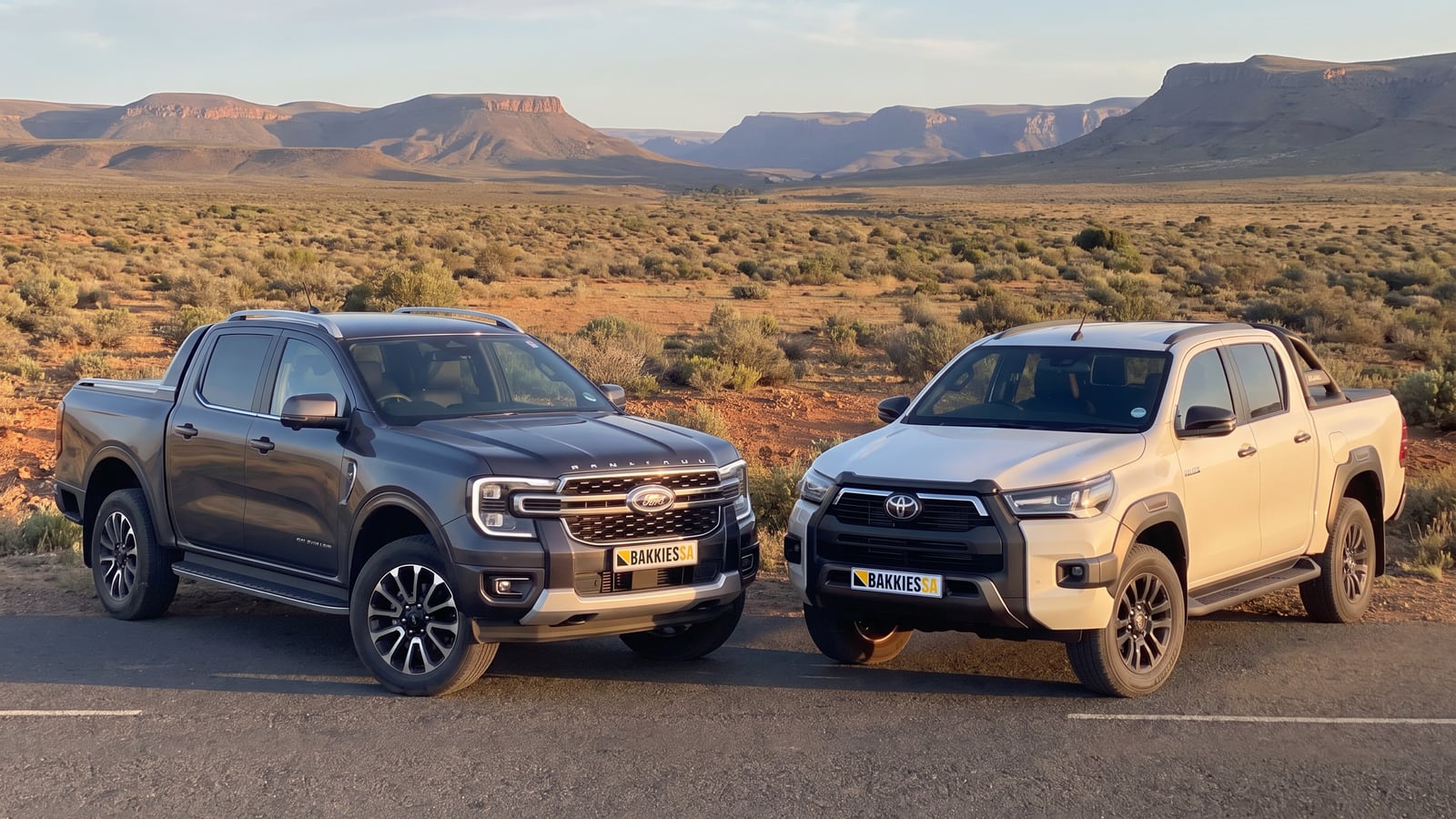
Every bakkie buyer in this country has heard the line. You buy a Hilux for the resale. Some say it as advice, some as a sneer. Both are half right.
The Hilux does hold its money better than any other bakkie. But the cheap Hilux holds it best, not the dear one. The Ranger is much closer than it was. And the biggest loss any bakkie takes has nothing to do with the badge. It is the day the new shape lands.
This guide puts numbers on all of that. Prices are asking prices from September 2026, taken from every bakkie listed for sale across South Africa. They are what sellers want, not what bakkies sell for. The published studies are named and dated.
Four words you need
Retention is what a used bakkie asks as a share of a newer one. A 2022 that asks R700,000 against R830,000 for a 2025 has 84 percent retention. Where we have the new price of a version, we show that too.
Run-out is the last of the old shape, sold while the new shape arrives. The 2022 Ranger, the 2022 Amarok and the 2024 P-Series were run-out models.
The book is the dealer price guide (TransUnion, once called Mead and McGrouther). It has two numbers. Trade is what a dealer pays you. Retail is what a dealer asks. Banks and insurers use the same book.
The going rate is what a typical bakkie of that year asks today.
Which versions hold their money
Start with one spec across every brand: a double cab 4x4 automatic. Three years means a 2022 against a 2025. Five years means a 2020. Where we have a verified new price for the 2023 model year, the last column shows what a 2023 asks now against what it cost new.
| Version (double cab 4x4 automatic) | A 2025 asks | A 2022 asks (three years) | A 2020 asks (five years) | A 2023 against its new price | What you are looking at |
|---|---|---|---|---|---|
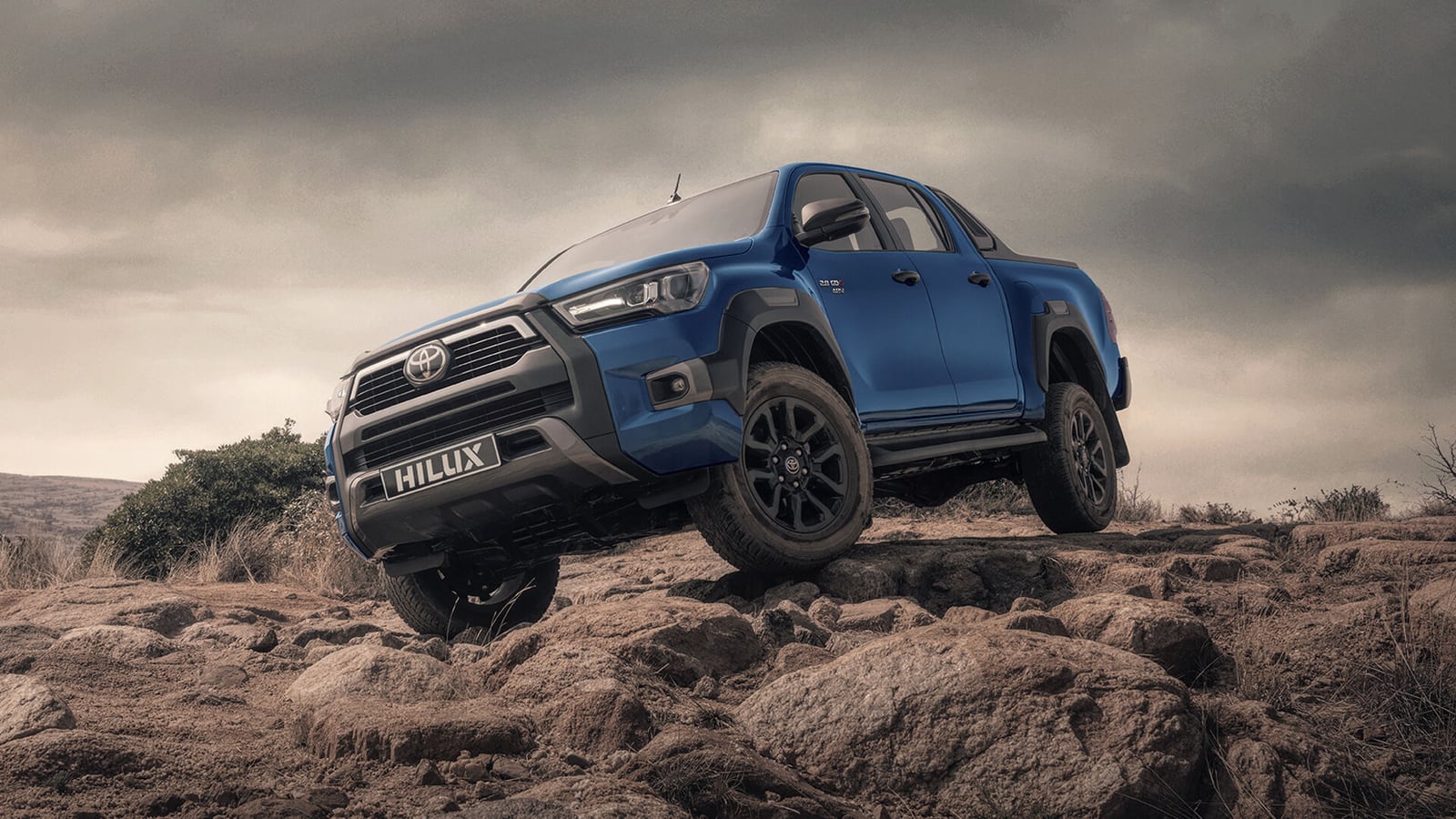
| Hilux 2.8 GD-6 | R830,000 | R700,000 (84%) | R580,000 (70%) | 73% (Raider, R793,000 new) | The smoothest curve in the market |
| Hilux 2.8 Legend | R810,000 | R700,000 (86%) | R580,000 (71%) | No verified 2023 price | Holds like a Raider, costs more |
| Hilux 2.4 GD-6 (double cab, any drive) | R580,000 | R450,000 (78%) | R420,000 (73%) | 75% (Raider X 4x4, R704,000 new) | The best holder at five years |
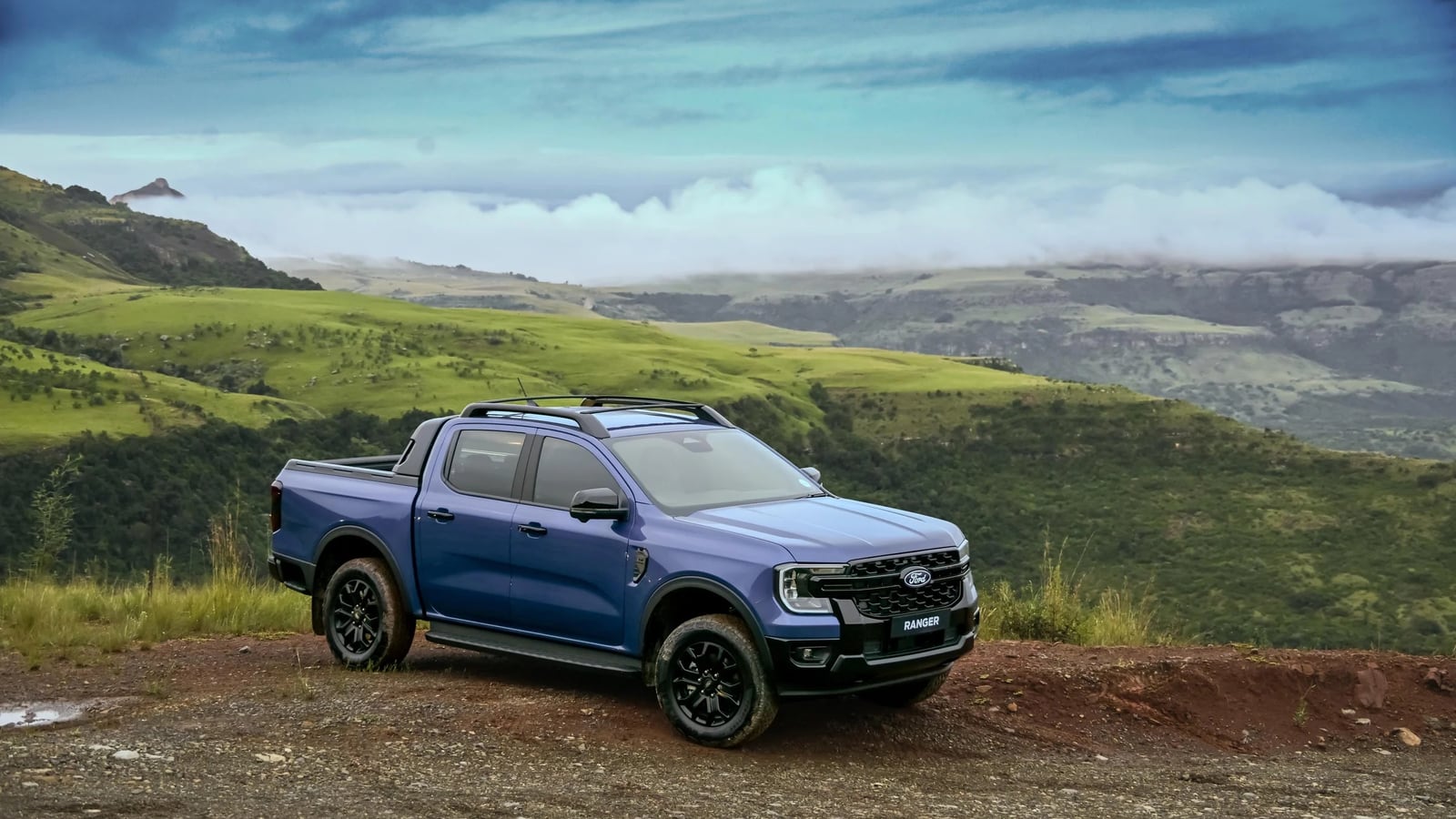
| Ranger 2.0 bi-turbo | R770,000 | R490,000 (64%, old shape) | R435,000 (57%, old shape) | 78% (XLT 4x4, R782,000 new) | Holds well inside the new shape |
| Ranger Wildtrak | R800,000 | R470,000 (59%, old shape) | R400,000 (50%, old shape) | 75% (R868,000 new) | The run-out cliff in one row |
| Ranger 3.0 V6 diesel | R840,000 | New shape only | New shape only | 73% (V6 Wildtrak, R954,000 new) | Too new for a five-year figure |
| Amarok 3.0 V6 | R950,000 | R600,000 (63%, old shape) | R475,000 (50%, old shape) | 70% (Style, R966,000 new) | The cult pays for its own new shape |
| Amarok 2.0 | R700,000 | R465,000 (66%, old shape) | R440,000 (63%, old shape) | 73% (Life bi-turbo, R826,000 new) | Holds better than the V6 |
| D-Max 3.0 | R777,000 | R530,000 (68%) | Old shape, too few | 71% (LSE, R771,000 new); 77% (V-Cross, R815,000 new) | Just behind the Hilux 2.8 |
| D-Max 1.9 | R660,000 (few for sale) | New shape only | New shape only | 71% (LS 4x4, R629,000 new) | Level with the 3.0 against its new price |
| Navara 2.5 | R600,000 | R450,000 (75%) | R360,000 (60%, old 2.3, few for sale) | No verified price | Better than its name |
| P-Series 2.0 (against a 2024, the last old shape) | R430,000 | R375,000 (87%) | 2021: R370,000 (86%) | 73% (LT 4x4, against its 2020 launch price) | Flat, because it was cheap from day one |
| Triton | Too few for sale to measure | That is the Triton story |
“Old shape” in a cell means the 2022 or 2020 bakkie is a different shape from the 2025 one. That gap is partly age and partly the price of the new shape. More on that below.
Here is why the brand figures you see elsewhere mislead. A brand’s average mixes every version inside each year, and the mix changes. Half of the used 2022 Rangers are old-shape 2.2s and 3.2s asking about R320,000. Most of the used 2025 Rangers are new-shape bi-turbos. Compare those two years and “the Ranger holds 60 percent”. Compare the same bi-turbo 4x4 automatic inside the new shape and it holds 79 percent at two years. The Hilux has kept one shape since 2016, so its brand figure and its version figure agree.
The fair test is two years inside one shape, a 2023 against a 2025. Hilux 2.8: 87 percent. Hilux 2.4: 88 percent. Ranger bi-turbo 79, Wildtrak 81, V6 83. Amarok 2.0 86, Amarok V6 77. D-Max 3.0 77. Navara 82. The Hilux still wins, by six to nine points. That is not the chasm it was ten years ago.
What the published studies say
| Date | Study | What it measured | Result |
|---|---|---|---|
| Oct 2018 | Trueprice, via BusinessTech | 2015 and 2016 models sold at Gauteng auctions, share of new price by mileage band | Under 100,000 km: Hilux 73%, Ranger 69%. Over 200,000 km: Hilux 68%, Ranger 53% |
| May 2019 | Trueprice, via TimesLive | 2015 to 2018 bakkies sold at auction, share of new price | Hilux 72%, D-Max and KB 67%, Ranger 66%, Amarok 65%, BT-50 64%, NP300 59%, Navara 57% |
| May 2021 | AutoTrader | 2016 Hilux versions after five years, asking price against new price | 2.4 SRX Xtra cab 104%, 2.4 SRX 4x4 double cab 94%, 2.8 Raider 4x4 automatic 83% (the worst) |
| Feb 2026 | AutoTrader, via The Citizen | Every used Hilux sold over six months against the 2016 base single cab price | About 96% in today’s rand. Not like for like, and a 2016 rand is not a 2026 rand |
| Jul 2026 | AutoTrader | Three-year-old double cabs, about 60,000 km, against new price | Hilux 2.4 Raider automatic 72 to 78%, 2.8 Legend and GR-Sport 72 to 74%. Ranger 2.0 XLT 70 to 73%, Wildtrak and V6 Sport 68 to 71% |
| Sep 2026 | AutoTrader | Three-year retention, Ranger against Hilux, no method given | Hilux 65 to 70%, Ranger 60 to 65% |
Three things to notice. Auction prices are trade money, so Trueprice’s 72 percent and AutoTrader’s 83 to 104 percent measure the same Hiluxes from two sides. The gap between them is roughly the gap between what a dealer pays and what a dealer asks. AutoTrader’s own three-year Hilux figure moved from the high seventies in July to the high sixties in September. And no public Lightstone or TransUnion table for bakkies exists, whatever the blogs say.
The cheap version holds best
The old belief is that the bigger engine, the 4x4 and the top trim hold their value. They ask more. They do not hold more. On retention, the evidence points the other way.
| Model and years compared | Cheap version | Dear version | What it says |
|---|---|---|---|
| Hilux, a 2022 against a 2025 | 2.4 double cab 78%, Raider 74% | 2.8 Legend 69%, GR-Sport 72% (few for sale) | The badge costs more and gives less back |
| Hilux, AutoTrader May 2021 (2016 models after five years) | 2.4 SRX Xtra cab 104%, 2.4 SRX 4x4 double cab 94% | 2.8 Raider 4x4 automatic 83%, worst in the table | Measured at the top of the 2021 bubble, but the order holds |
| Hilux, AutoTrader July 2026 (three years) | 2.4 Raider automatic 72 to 78% | 2.8 Legend and GR-Sport 72 to 74% | Same order, after the bubble |
| Ranger, a 2020 against a 2025 | 2.0 single-turbo 68% | Bi-turbo 56%, Wildtrak 52%, Raptor 45% | The dearer the badge, the deeper the fall |
| Amarok, a 2020 against a 2025 | 2.0 67% | V6 50% | The cult asks a lot for a new V6, not an old one |
| D-Max, a 2022 against a 2025 | 1.9 74% | 3.0 73% | Level. Buyers still distrust the 1.9, but the prices do not show it |
The 4x4 question is not settled either way. AutoTrader’s 2021 study found the 2.8 4x4 automatic held less than the 2.8 4x2 automatic (83 against 98 percent). On today’s asks a 2022 2.8 4x4 automatic holds 84 percent and the 4x2 holds 77. The 4x4 asks R50,000 to R120,000 more at the same age. Whether it holds more depends on the year you pick.
The badges converge with age. A 2017 Ranger Wildtrak asks about R292,000, an XLT R244,000, an XL R230,000. Eight years on, the top trim is worth R60,000 more than the fleet trim.
The Raptor is the clearest fall we can source. The old 2.0 diesel Raptor cost R999,000 new when it ended. A 2022 asks about R612,000 today, 61 percent at four years. A 2020 asks R500,000. The new V6 petrol Raptor at R1.3 million did nothing to lift the old one.
Why the Hilux holds
Five reasons, and locals know all of them.
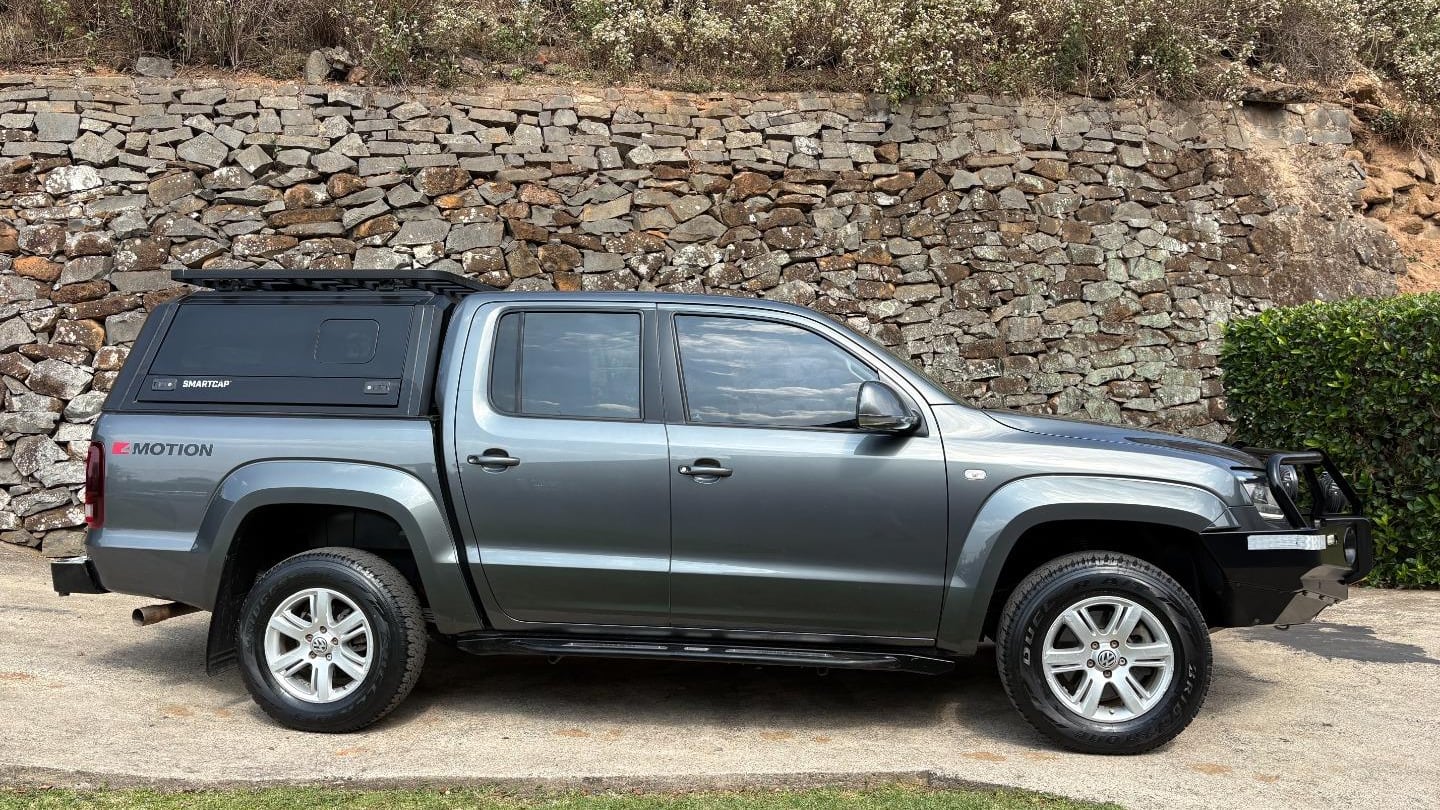
Used double cabs are scarce. Only half of new Hiluxes are double cabs. In the first half of 2026 AutoTrader sold about 4,700 used Hilux double cabs against 9,100 Rangers. Toyota has about 200 dealers and the cheapest parts of any double cab (the 2019 Kinsey basket for a 2.8 was R79,660). Fleets, rental companies and farms order it by the thousand. Thieves want the same engines. About 30 percent of stolen vehicles cross the border, and the Hilux is hijacked at nearly double the rate of any other bakkie (AutoTrader, April 2026). Toyota almost never discounts new stock, so no new Hilux undercuts a used one. And the belief feeds itself. Buyers expect it to hold, so they pay more used, so it holds.
AutoTrader’s mid-year report shows the result. The used Hilux that sells is a year older than the used Ranger that sells, with about 28,000 km more on it. It still fetches within R30,000 of the Ranger (R481,000 against R513,000). AutoTrader also puts the Hilux at 27 days to sell against 36 for the Ranger. That is their figure from their sales.
Here is the Toyota tax in rand. Same year, same spec, a 2023 double cab 4x4 automatic:
| Bakkie (2023 double cab 4x4 automatic) | Asks about | Against a Hilux 2.8 |
|---|---|---|
| Hilux 2.8 Legend | R740,000 | R15,000 more |
| Amarok 3.0 V6 | R735,000 | R10,000 more |
| Hilux 2.8 (any trim) | R725,000 | |
| Ranger 3.0 V6 diesel | R700,000 | R25,000 less |
| Ranger Wildtrak | R650,000 | R75,000 less |
| Ranger 2.0 bi-turbo | R610,000 | R115,000 less |
| D-Max 3.0 | R600,000 | R125,000 less |
| Amarok 2.0 | R600,000 | R125,000 less |
| Hilux 2.4 | R530,000 | R195,000 less |
| Navara 2.5 | R490,000 | R235,000 less |
| D-Max 1.9 | R445,000 | R280,000 less |
| P-Series 2.0 | R360,000 | R365,000 less |
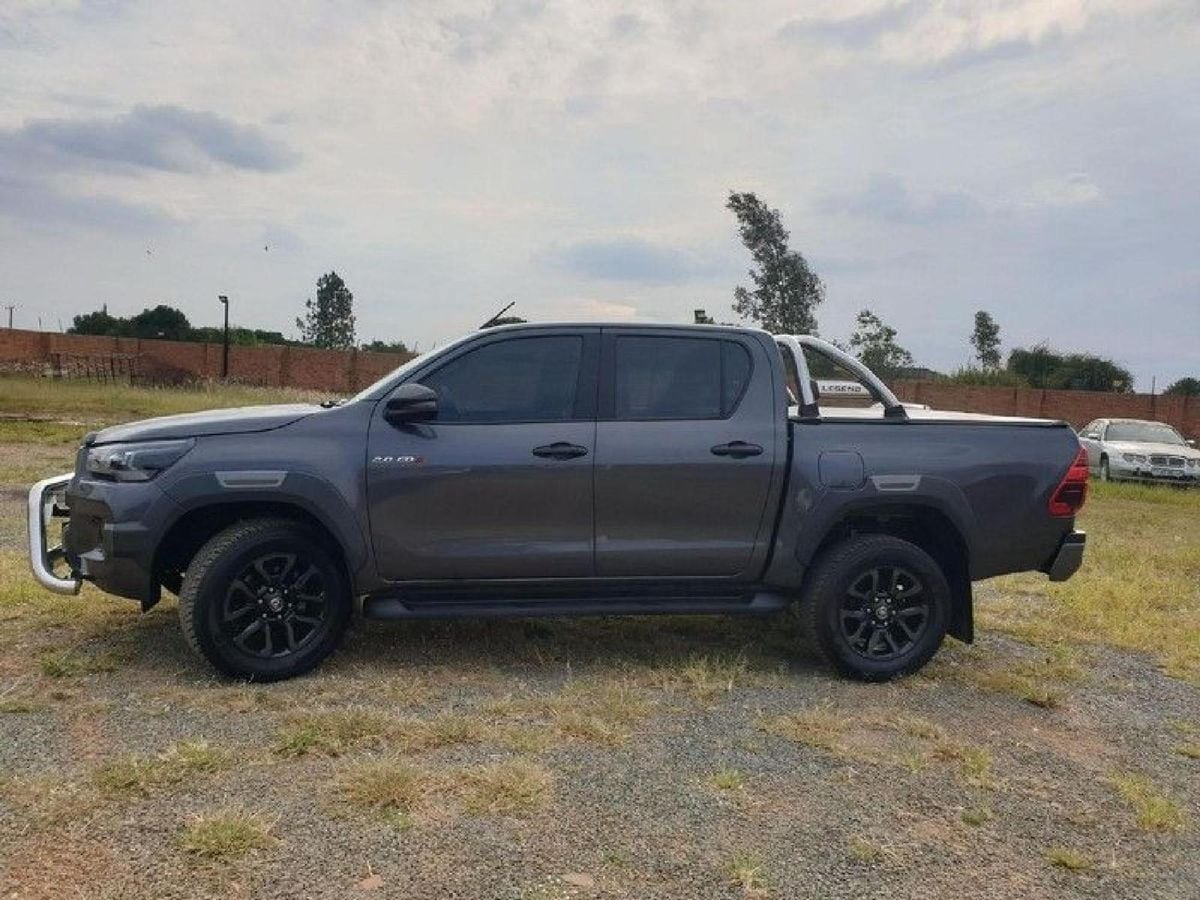
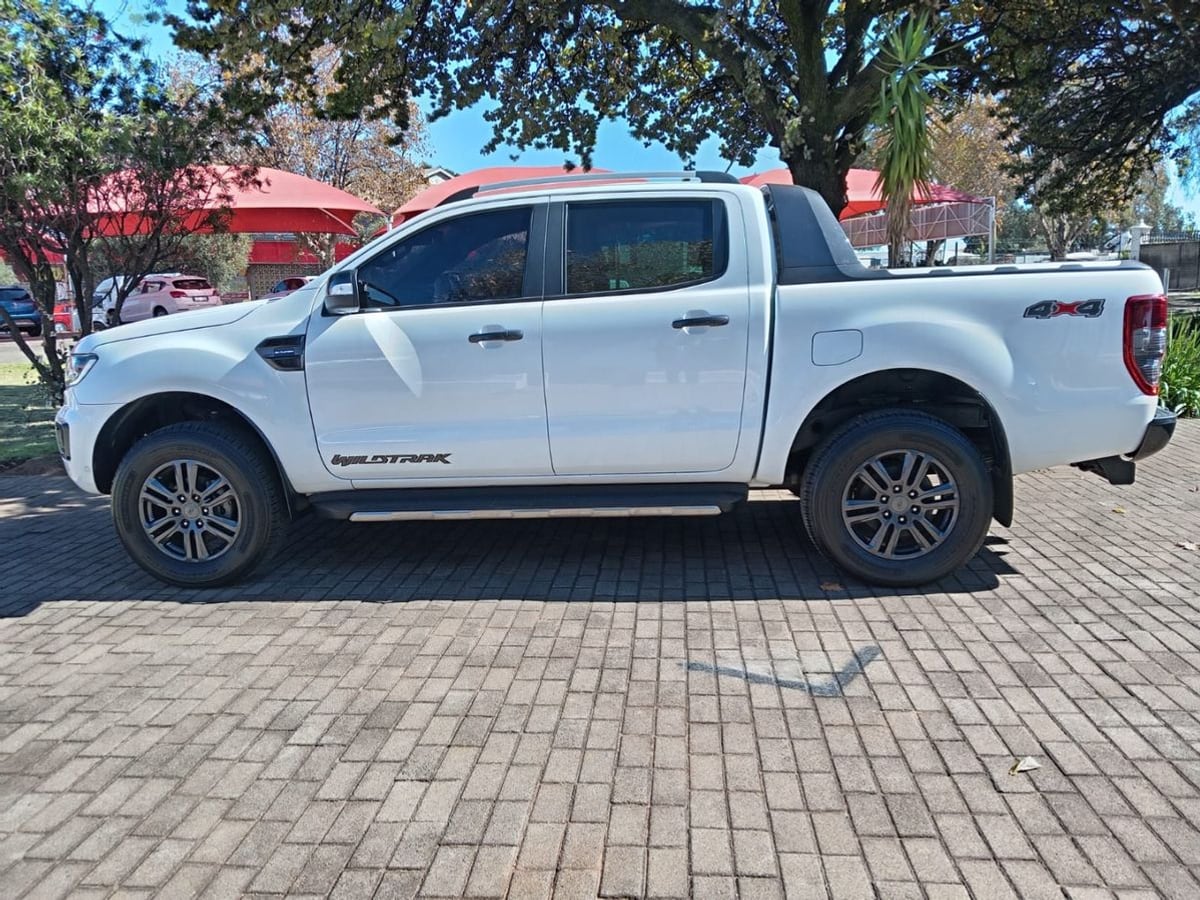
The tax has a running cost. AutoTrader’s 2025 cost study put insurance on a Hilux 2.4 Raider at about R15,000 a year, against R12,000 for a Ranger 2.0 XL. Its September 2026 piece put the Hilux 10 to 15 percent dearer to cover, or R10,000 to R15,000 over three years. Full cover on a 2.8 Legend runs R1,500 to R2,400 a month (TopAuto, September 2026). Most insurers want a tracking unit. Some want two, at R85 to R110 a month each.
Do the sum. Each retention point on a R700,000 bakkie is R7,000. A three-to-five-point edge is R21,000 to R35,000. Three years of extra insurance eats a good part of that. The Hilux case gets stronger the longer you keep it.
The run-out cliff
When the new shape lands, the old shape does not fall. It stops rising, and a step opens above it. Here is the step, same version on both sides:
| Model and version | Last of the old shape asks | First of the new shape asks | The step |
|---|---|---|---|
| Ranger Wildtrak double cab 4x4 automatic | 2022: R470,000 | 2023: R650,000 | R180,000 |
| Ranger 2.0 bi-turbo double cab 4x4 automatic | 2022: R490,000 | 2023: R610,000 | R120,000 |
| Ranger XL | 2022: R320,000 | 2023: R400,000 | R80,000 |
| Ranger Raptor | 2022: R610,000 (2.0 diesel) | 2023: R890,000 (V6 petrol) | R280,000, a different bakkie |
| Amarok V6 double cab 4x4 automatic | 2022: R600,000 | 2023: R735,000 | R135,000 |
| Navara | 2020: R305,000 (old 2.3) | 2021: R405,000 (Rosslyn 2.5) | R100,000 |
| P-Series 2.0 double cab 4x4 automatic | 2024: R430,000 | 2025 P300: R527,000 | R100,000 |
| Hilux double cab, all versions | 2022: R560,000 | 2023: R552,000 | None. Nothing changed |
The size of the step is set by the discount on the last new ones. That is the part the used-price stories miss. In 2019 Ford dealers ran R100,000 to R140,000 of “trade assist” on the old-face Rangers. Trade assist is factory money paid through your trade-in instead of off the sticker. Owners of two-year-old Wildtraks found trade offers R70,000 under book that year. Mitsubishi ran R50,000 to R70,000 of it on the Triton in 2017. GWM cut the new P300’s entry price from R599,900 in February 2025 to R446,950 by August 2026, so a used 2025 P-Series now asks more than a new base P300. Nissan took R174,000 off a new Navara Warrior in July 2026. And VW priced its new V6 Aventura R13,200 below the old V6 Extreme.
That last one had a casualty. A 2023 old-shape V6 with 18,000 km carried a finance settlement of R988,000. The dealer cut it for three months and ended at R700,000, which he called wholesale.
Toyota almost never discounts, so there has been no cliff under a used Hilux. That is about to be tested. The new-shape Hilux launched in June 2026, the first in a decade. Watch what a 2025 asks a year from now.
One more trap. Dealers registered old-shape Rangers into 2023. A 2023 old-shape 2.2 asks about R290,000. A 2023 new-shape 2.0 asks about R475,000. Same plate year, R185,000 apart. Look at the photo, not the year.
Where the curve flattens
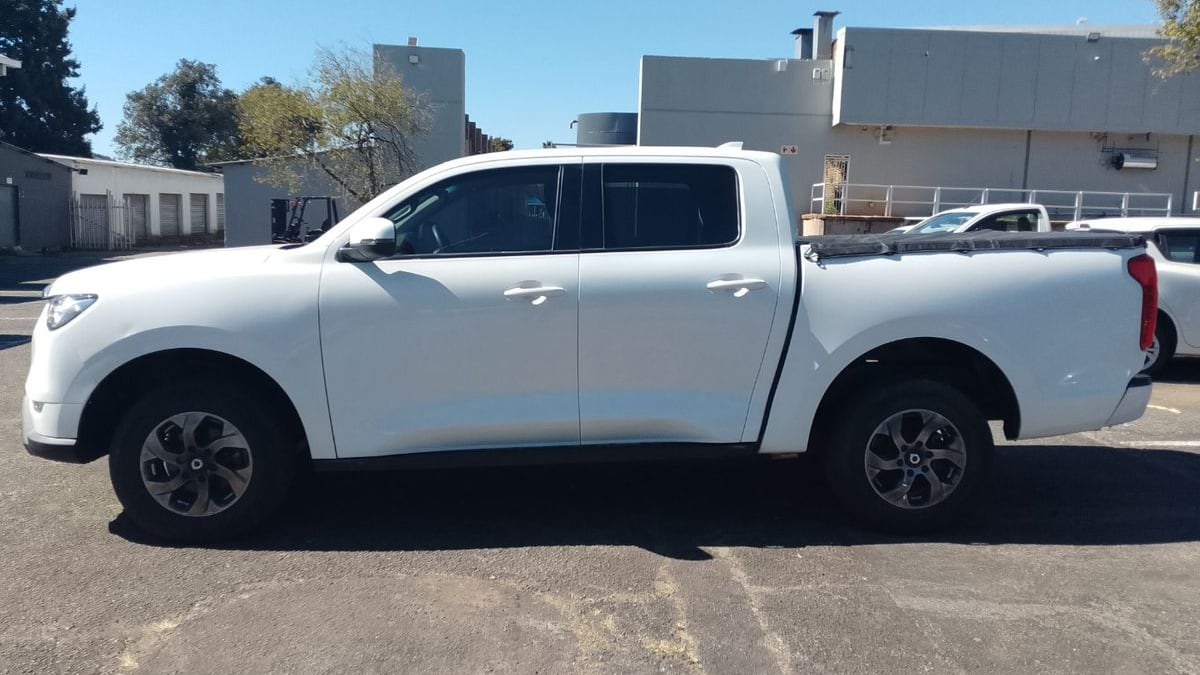
Workhorses find a floor early and sit on it. Leisure double cabs keep falling.
| Version | Flat stretch | Asks across the stretch | Age |
|---|---|---|---|
| Hilux D-4D (old shape) | 2010 to 2015 | R250,000 to R280,000 | 10 to 16 years |
| Hilux 2.4 GD-6 | 2019 to 2021 | R355,000 to R380,000 | 4 to 6 years |
| Ranger 2.2 (old shape) | 2020 to 2021 | R290,000 | 4 to 5 years |
| D-Max 2.5 | 2020 to 2022 | R300,000 to R330,000 | 3 to 5 years |
| Navara 2.5 | 2021 to 2022 | R400,000 to R415,000 | 3 to 4 years |
| P-Series 2.0 | 2021 to 2023 | R320,000 to R350,000 | 2 to 4 years |
| Amarok V6 (old shape) | 2018 to 2019 | R418,000 to R453,000 | 6 to 7 years |
| Pik Up | 2022 to 2024 | R240,000 to R270,000 | 1 to 3 years |
The workhorse versions hit a floor between R240,000 and R380,000 and then move R10,000 a year or less. The old-shape Hilux D-4D floor is the strongest fact in the whole market. A 2010 and a 2015 both ask about R250,000 to R280,000, both with around 230,000 km.
The leisure double cabs never find that floor. A Hilux 2.4 double cab loses about R43,000 a year for three years, then about R21,000 a year. A Hilux 2.8 double cab 4x4 automatic loses R43,000 a year for three years and then more, about R54,000 a year to year eight. An Amarok V6 loses about R42,000 a year inside the old shape. A Wildtrak loses about R35,000 a year once the cliff is behind it.
The Navara and the Triton
The published studies agree on the losing end. Trueprice’s 2019 auction table put the Navara ninth of ten at 57 percent. AutoTrader’s Navara guide (March 2026) says it plainly: the Navara does not hold its value as stubbornly as a Hilux. The 2017 to 2020 imported ones lost the most. The Rosslyn-built 2021 ones hold much better, helped by the six-year warranty.
Today’s asks are kinder than the name. A 2022 Navara asks about R400,000 against R530,000 for a 2025, which is 75 percent. It starts cheap and is discounted new, so the fall in rand is small. The Triton cannot be measured at all, with about 20 used ones for sale in each year. Mitsubishi sold few new, so there are few used buyers.
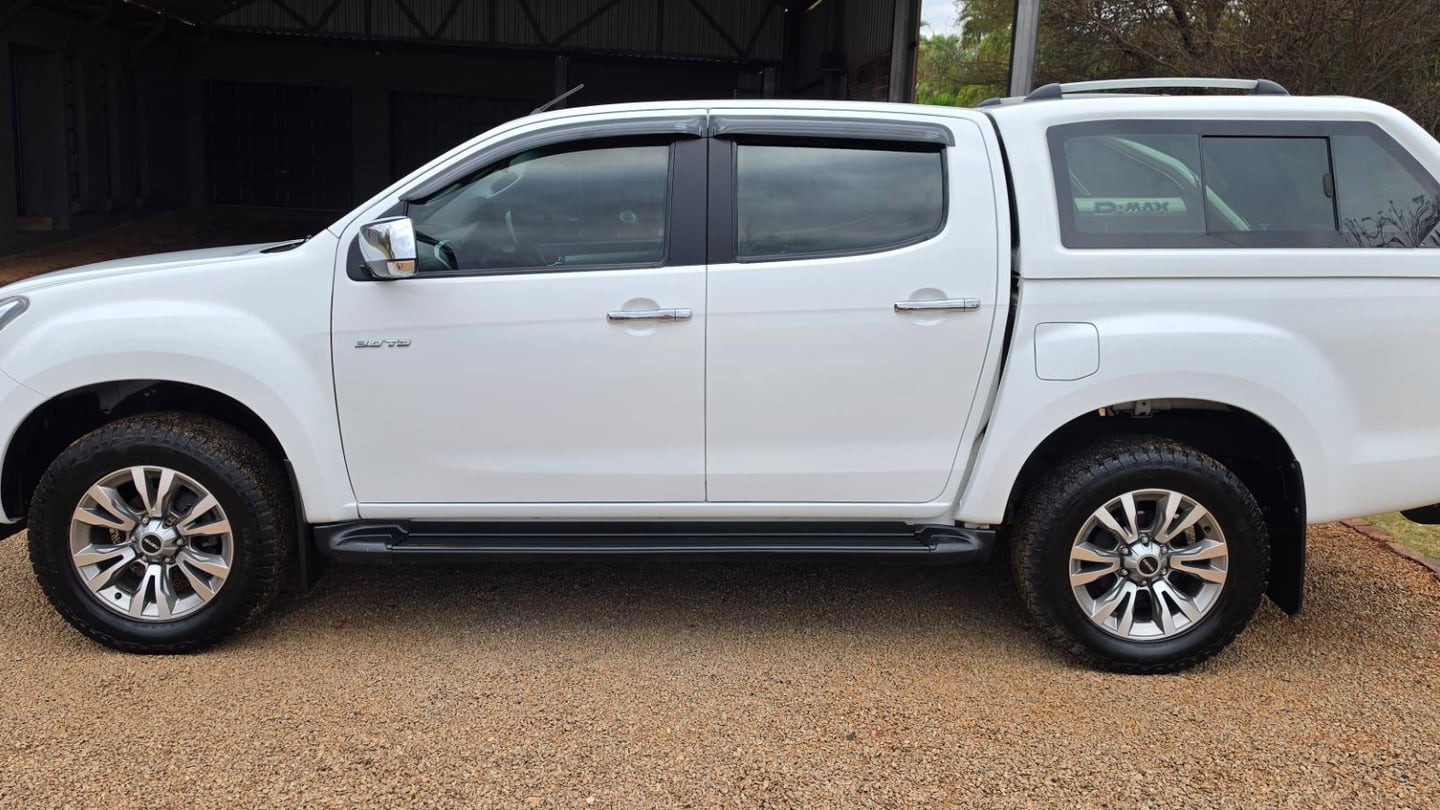
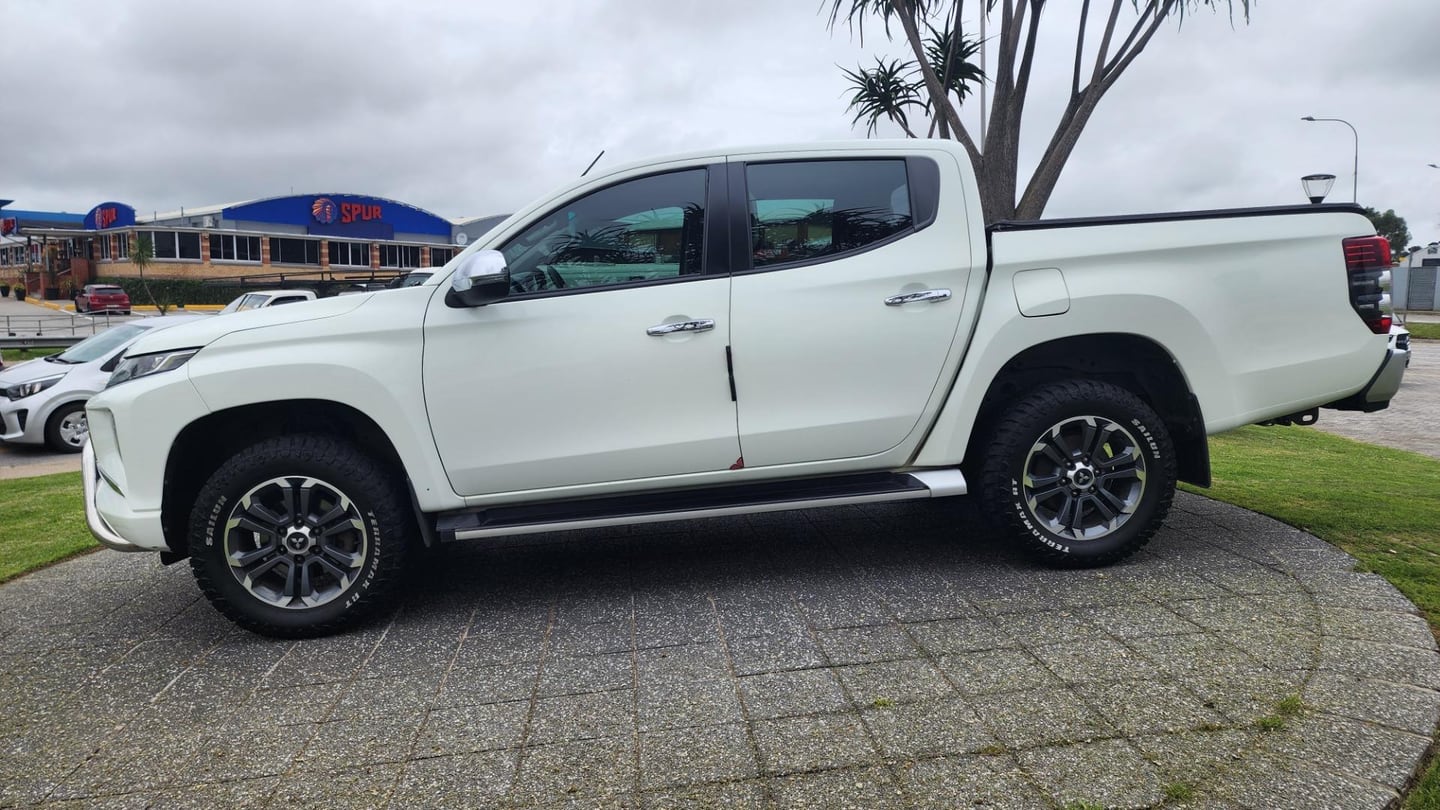
The owners’ advice on both is the sharpest line in this whole subject. Buy them used, because nobody else does. For R550,000 you get a lightly used top-spec Navara or Triton, where the same money buys a Hilux with three times the mileage. Someone else has paid the tax.
The bubble behind the “worth more used than new” stories
You will hear that a Hilux sold for more than it cost. Every one of those stories dates from 2021 and 2022, when new stock ran short. Hiluxes sold R100,000 over list. Banks lent 130 percent of retail. A 2019 Hilux 4x4 automatic was traded in at Toyota for R20,000 more than it cost new two years before.
By mid-2023 it was over. Ex-rental Hiluxes flooded the used floors and most used vehicles struggled to fetch trade. AutoTrader’s May 2021 study, with 2016 Hiluxes at 83 to 104 percent, was measured at the top of that bubble. The ten-year “96 percent” figure compares a 2016 base single cab with the average of every used Hilux, Legends included. And a 2016 rand buys a lot less today.
Trade against retail: the gap you actually lose
Retention is measured on asking prices. What you get is a trade offer. The gap between the two is what a seller actually loses.
| Bakkie | Trade offers | What dealers asked for the same thing | Gap |
|---|---|---|---|
| 2022 Hilux 2.4 Raider 4x4 automatic, 48,000 km, June 2023 | R480,000 to R540,000 | R569,000 to R590,000 on Toyota floors | R50,000 to R110,000 |
| 2017 Ranger 3.2 Wildtrak 4x4, 47,000 km, August 2021 | R450,000 (Ford and a cash buyer) | Nearest listing R499,000 | R49,000 |
| 2017 Hilux 2.4 SRX 4x4 with canopy and suspension, 2020 | R280,000 (Toyota) | R330,000 and up privately | R50,000 |
| 2015 Ranger 2.2 XLS 4x2, February 2026 | About R150,000 | Book trade R205,000, dealer lots over R220,000 | R55,000 to R70,000 |
On cars the gap between book trade and book retail is about 9 percent. On bakkies the stories run 10 to 20 percent, because the dealer prices the trade under book and the floor over retail. Toyota dealers pay the least for a Hilux, because they know it will sell. A Ford or Isuzu dealer sends your Hilux to a bidding site where the buyers never see it, so extras count for nothing.
The book lags too. TransUnion issues a value only after a model has been on sale for about a year, and it is built monthly from dealer returns. Use it as the floor and the asks as the ceiling.
Price cuts and withdrawals: what the Hilux shows
Only the Hilux has enough history yet. The other models will follow as it builds.
| Hilux | Listings cut in the last 30 days | Typical cut | Withdrawn in 30 days | Live now | Live for over 60 days |
|---|---|---|---|---|---|
| GD-6 (2016 on) | 25% | R10,000 (2%) | 3,400 | 4,400 | 36% |
| D-4D (old shape) | 18% | R6,000 (3%) | 400 | 520 | 41% |
Sellers nibble. They do not slash. A third of the 2025s were cut in the last month, a fifth of the 2016 to 2021s. Legends were cut most often (29 percent) and 2.4s least (22 percent). There were also about 560 price rises, mostly dealers repricing on a relist.
A withdrawn listing is not a confirmed sale. It can be a sale, a relist or a dealer swap. The typical withdrawn Hilux had been listed about four weeks. More than a third of what is live now has been up for two months or more. Two months is normal, not a sign of a wrong price.
What to do if you are buying
- Buy the version that holds. A Hilux 2.4, a Ranger 2.0 single-turbo, an Amarok 2.0, a D-Max with either engine. Pay for the dear badge because you want it, not for resale.
- Buy the run-out. A 2022 old-shape Ranger bi-turbo 4x4 asks R120,000 to R180,000 under a 2023 new-shape one. Or buy the Navara and Triton nobody wants.
- Buy at three to five years. The step is behind it. A Hilux 2.4 double cab loses R43,000 a year to year three, then R21,000.
- Check the shape, not the plate year. A 2023 Ranger can be an old-shape 2.2 worth R290,000.
- Check the going rate before you negotiate. Every listing on the Hilux, Ranger, Amarok, D-Max, Navara, Triton and P-Series pages is shown next to the going rate for its year.
What to do if you are selling
- Get three numbers. The book (trade and retail), a written offer from a cash buyer, and the going rate for your year on the market pages.
- Know the floor and the ceiling. The trade offer is the floor. The asks are the ceiling. A private sale lands between them, if you will meet strangers over R500,000. EFT only, public place, someone follows on the test drive.
- Sell the canopy separately. A dealer pays nothing for extras. White sells faster than blue.
- Sell before the new shape lands. If you missed it, price under the deals on the last new ones, because that is what the buyer compares you with.
- Price between trade and retail, not at the top. A third of the Hiluxes for sale have sat for two months. Every R10,000 nibble costs a month of interest and insurance.
- List it here. A free listing on BakkiesSA is shown next to the going rate for its year, the number every serious buyer checks anyway.
Questions people ask
Which bakkie has the best resale value in South Africa?
The Toyota Hilux, and the cheap versions of it most of all. A 2022 Hilux 2.4 double cab asks about 78 percent of what a 2025 one asks. A 2022 2.8 Legend asks about 69 percent. AutoTrader's July 2026 study found the same order: the 2.4 Raider automatic keeps 72 to 78 percent of its new price after three years, the 2.8 Legend and GR-Sport 72 to 74 percent. Inside one body shape the Ranger is six to nine points behind the Hilux at two years, not the huge gap of ten years ago. The D-Max sits just behind both. The Navara, Triton and P-Series lose the most against what they cost new, but they cost far less to start with.
How much does a bakkie lose in value each year?
On a double cab 4x4 automatic, about R35,000 to R55,000 a year for the first eight years, on every brand. A Hilux 2.8 loses about R43,000 a year for the first three years. A Ranger Wildtrak loses about the same inside one shape, then loses another R180,000 in a single step when the new shape lands. The cheap workhorses lose the least: a Hilux 2.4, an old-shape Ranger 2.2 or a D-Max 2.5 loses about R20,000 a year or less once it is three years old. These are asking prices, not sold prices.
What is the Toyota tax?
The extra a Hilux costs over a rival of the same age, new or used, because everyone expects it to hold its value. On the same year and spec (a 2023 double cab 4x4 automatic) a Hilux 2.8 asks about R725,000, a Ranger 2.0 bi-turbo about R610,000 and a D-Max 3.0 about R600,000. The Hilux does get more of that money back when you sell. But it costs about R3,000 a year more to insure, it needs a tracking unit or two, and Toyota dealers pay the least for it on trade-in because they know it will sell.
Should I sell my bakkie privately or trade it in?
Get three numbers first: the book (the trade and retail figures from the dealer price guide), a written offer from a cash buyer, and the going rate for your year on the market pages. A dealer's trade offer is the floor. The asking prices are the ceiling. A private sale usually lands R10,000 to R50,000 above the best trade offer, but it means meeting strangers who carry a lot of money. Sell the canopy separately, because a dealer pays nothing for extras.
Figures are seller asking prices aggregated from South African listing platforms and dealers, not final selling prices. Most vehicles transact below asking. Updated continuously.
resaledepreciationmoneymarket-data